 Image 1 of 4
 Image 2 of 4
 Image 3 of 4
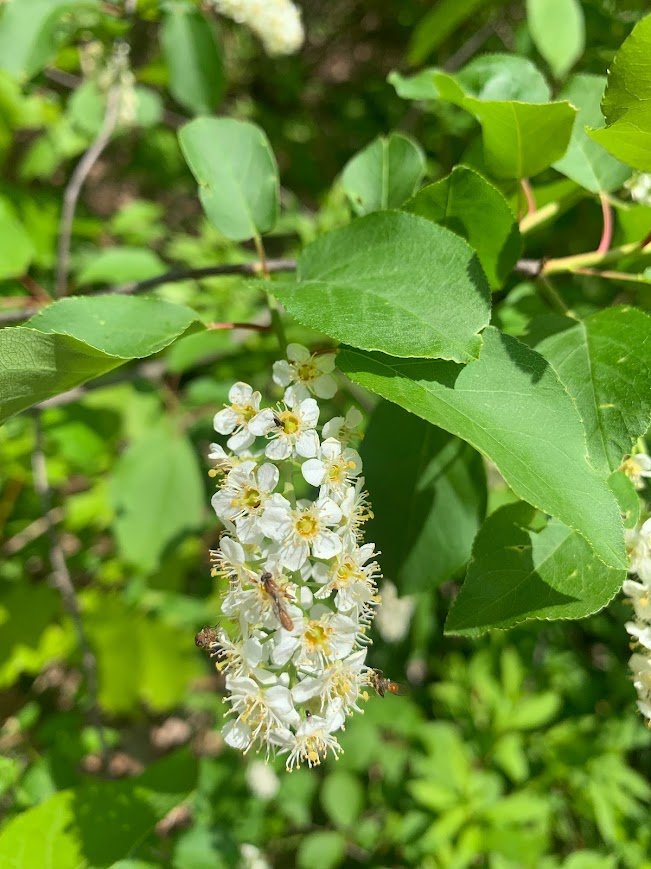 Image 4 of 4
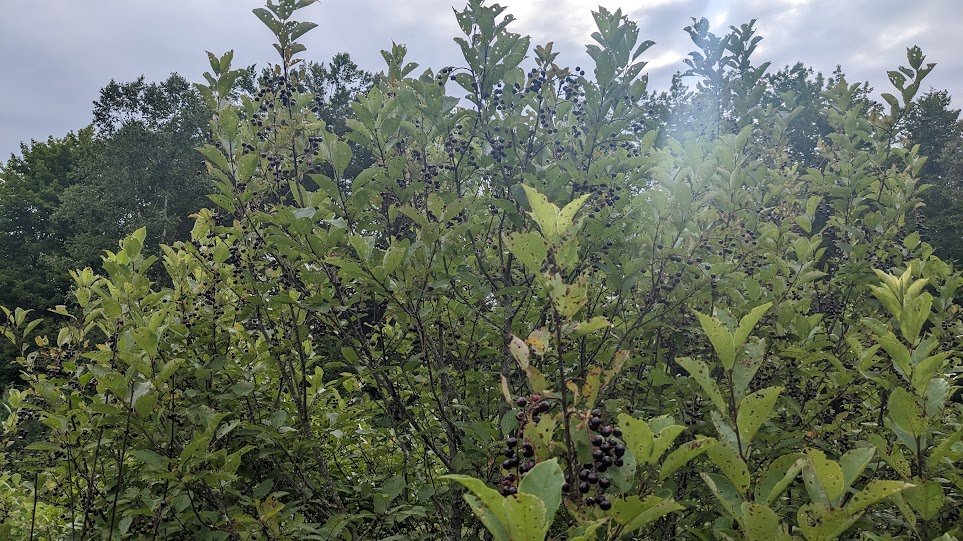
Chokecherry (Prunus virginiana) is a hardy Maine native shrub or small tree valued for its fragrant white spring flowers, clusters of dark purple fruit, and exceptional wildlife benefits. Commonly found along woodland edges, hedgerows, and open fields, this adaptable species provides food and shelter for birds, pollinators, and other wildlife throughout the growing season.
In spring, Chokecherry produces elongated clusters of delicate white flowers that attract native bees and other beneficial insects. By late summer, the flowers develop into small, dark red to nearly black cherries that are an important food source for songbirds and mammals. The ripe fruit has a tart, astringent flavor and can be processed into jams, jellies, and syrups after the pits are removed.
Chokecherry grows in full sun to partial shade and tolerates a wide range of soil conditions. Its tendency to spread through root suckers makes it especially useful for naturalized hedgerows, wildlife corridors, and larger restoration plantings.
Light: Full sun to partial shade
Soil Moisture: Dry to medium; prefers moderately moist soil
Soil: Adaptable to sandy, loamy, and other well-drained soils
Height: Typically 15–30 feet; occasionally taller
Spread: 15–25 feet, with colonies spreading farther through suckers
Bloom Time: May–June
Flower Color: White
Fruit: Dark red to purple-black cherries, ripening in late summer
Hardiness Zones: 2–7
Growth Habit: Deciduous, often multi-stemmed shrub or small tree
Native Range: Widespread across North America, including Maine