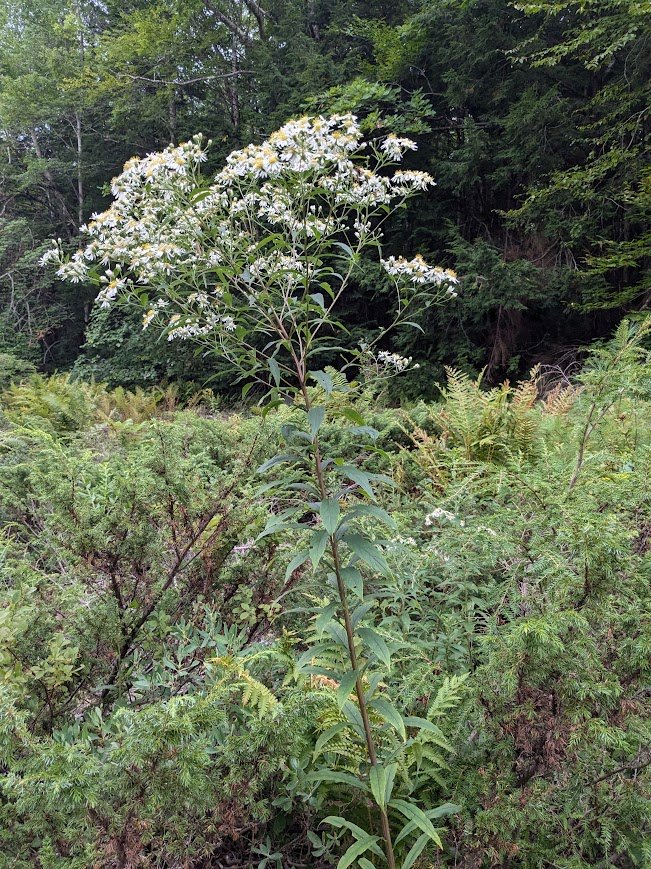
Image 1 of 4
 Image 2 of 4
 Image 3 of 4
 Image 4 of 4
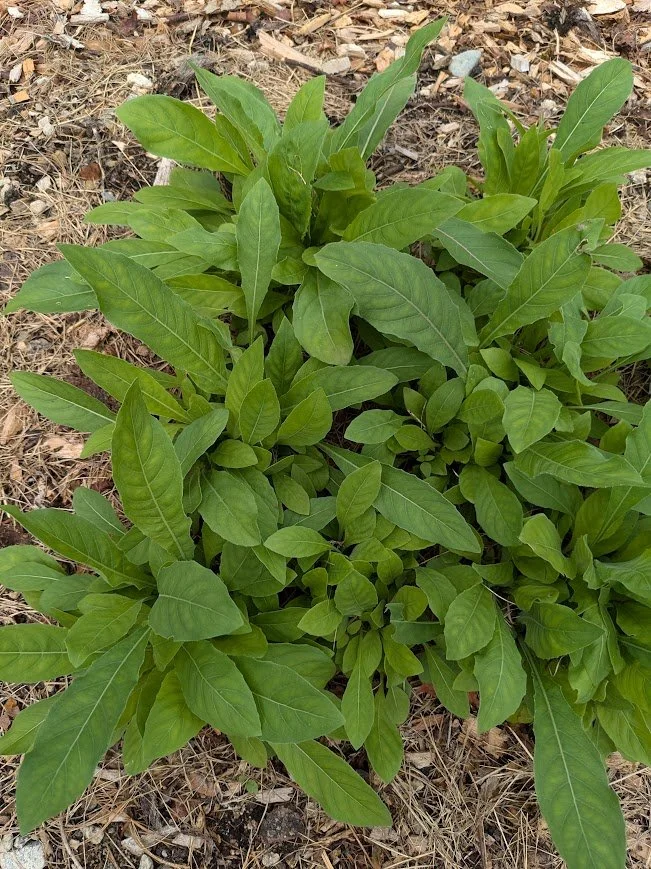
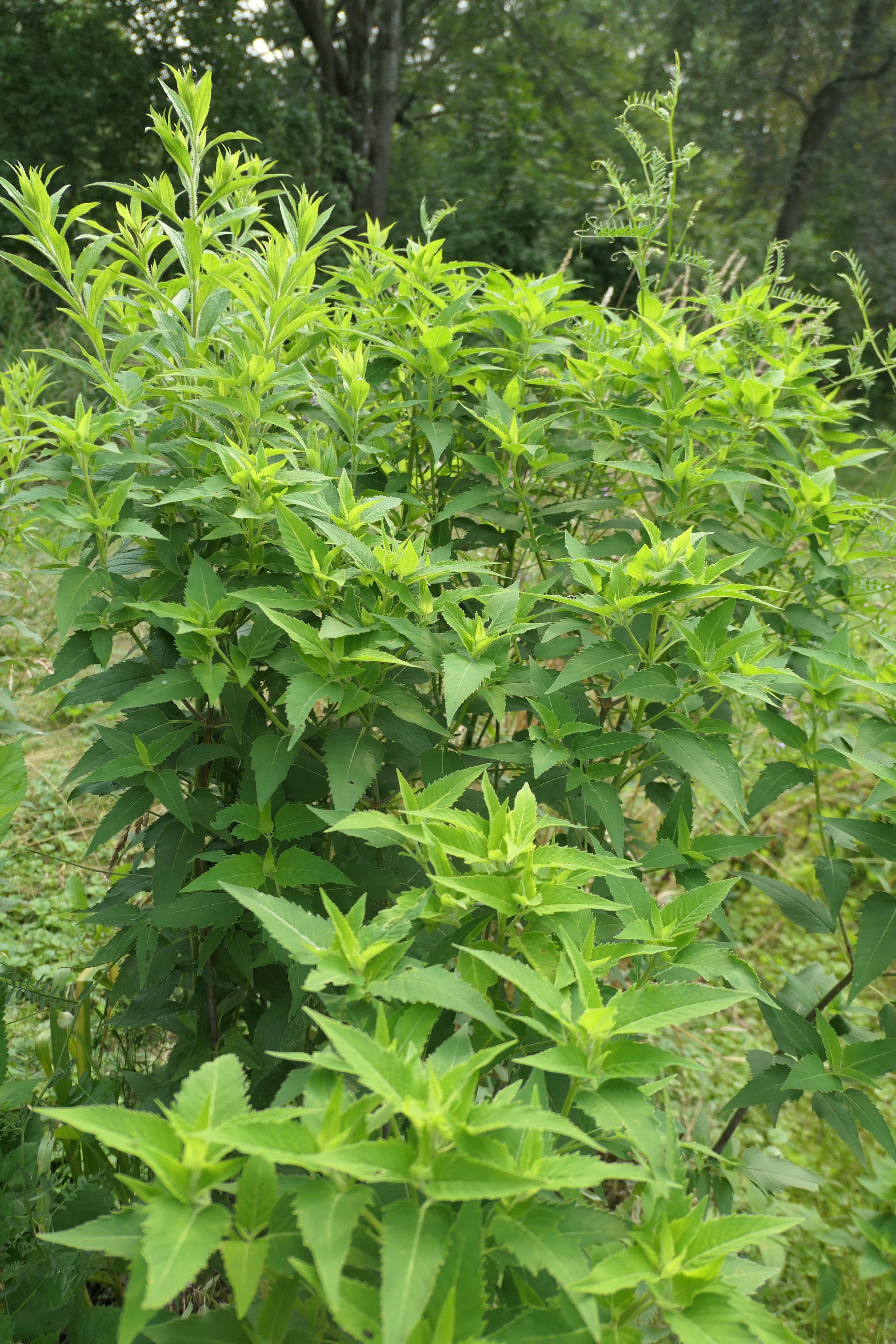
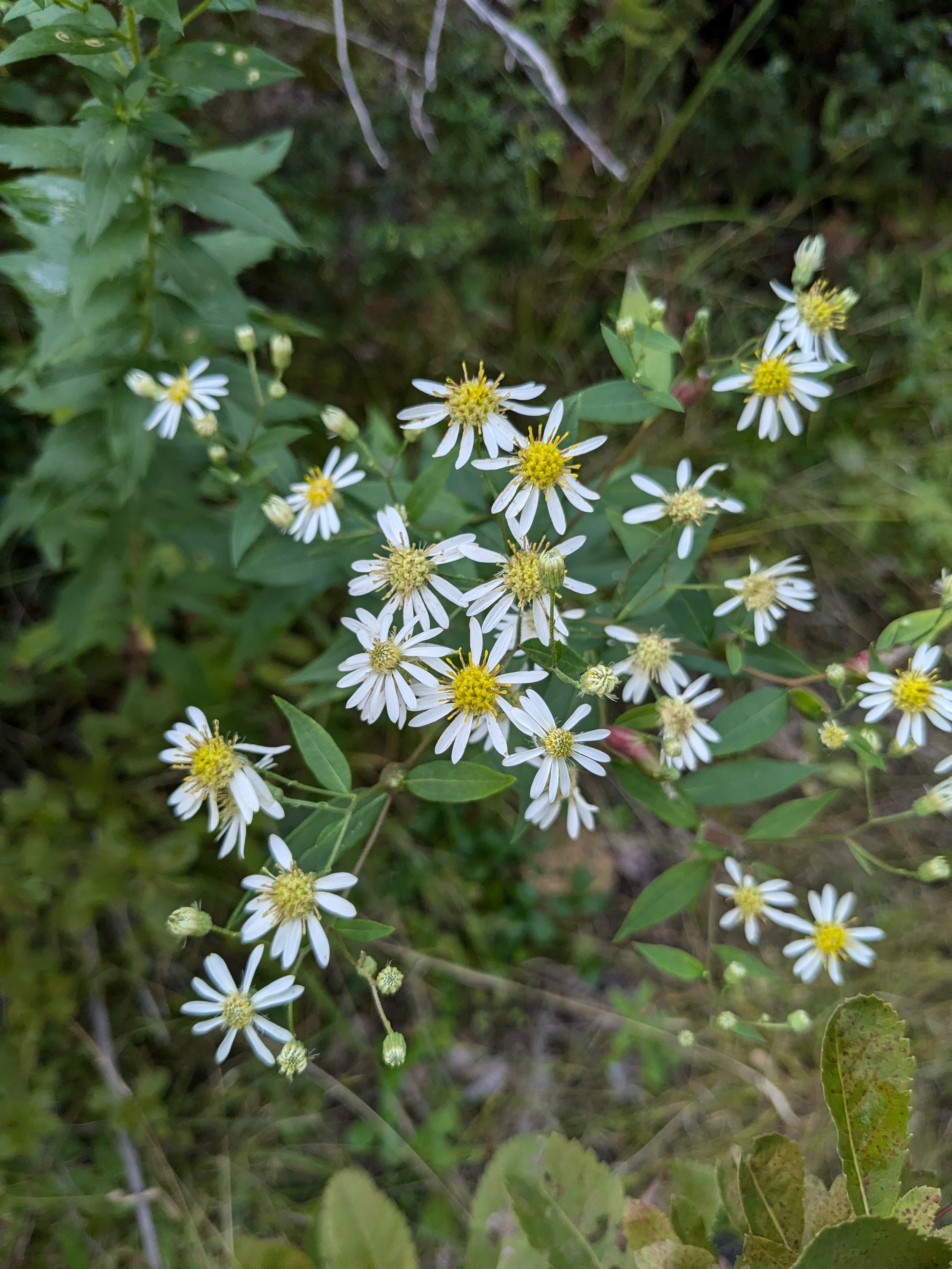
By the time September arrives, many summer wildflowers have gone to seed or faded, but the New England Aster bursts onto the scene with a brilliant display of deep purple blooms. Standing up to six feet tall, this striking native aster brings renewed life to the garden, attracting pollinators like bees and butterflies, especially monarchs on their southbound migration.
Highly deer-resistant and adaptable, New England Aster thrives in a variety of soil and light conditions. While it tolerates loam, clay, and average to low moisture soils, it performs best in full sun and drier soils, making it a versatile and vibrant choice for late-season color in any native garden.
Seeds require cold stratification to germinate—read this quick article to learn how to accomplish this.
Light: Full sun to partial shade
Soil Moisture: Medium to moist
Soil: Loamy, clay, or well-drained soils
Height: 3–6 feet
Spread: 2–3 feet
Bloom Time: August–October
Flower Color: Purple to pink with yellow centers
Hardiness Zones: 4–8
Growth Habit: Upright, clump-forming perennial; may self-seed
Native Range: Eastern and central North America, including Maine
Options:
Bare Root Plants: Plant into loose soil in the fall or spring and keep moist until new growth emerges.
Seed Packet (50 seeds).