Don’t know what to plant for the pollinators? We got you! This seed collection is the beginning of a new patch of habitat. These native wildflowers will provide food and shelter for bees, butterflies, and other beneficial insects, bringing a little more life to your landscape. Special shoutout to Hairy Mountain Mint for “beeing” the pollinator MVPlant!
This Seed Kit contains:
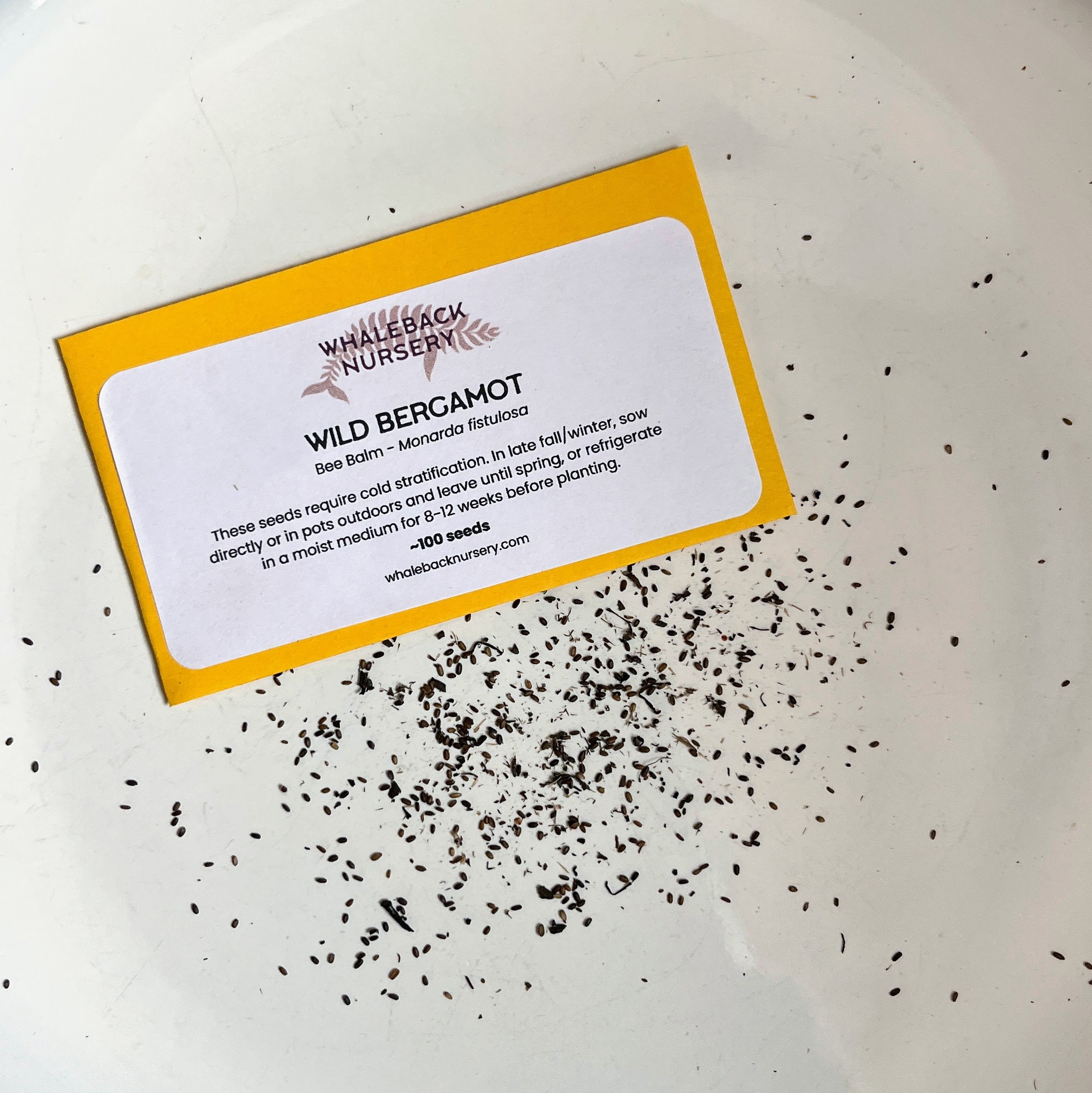
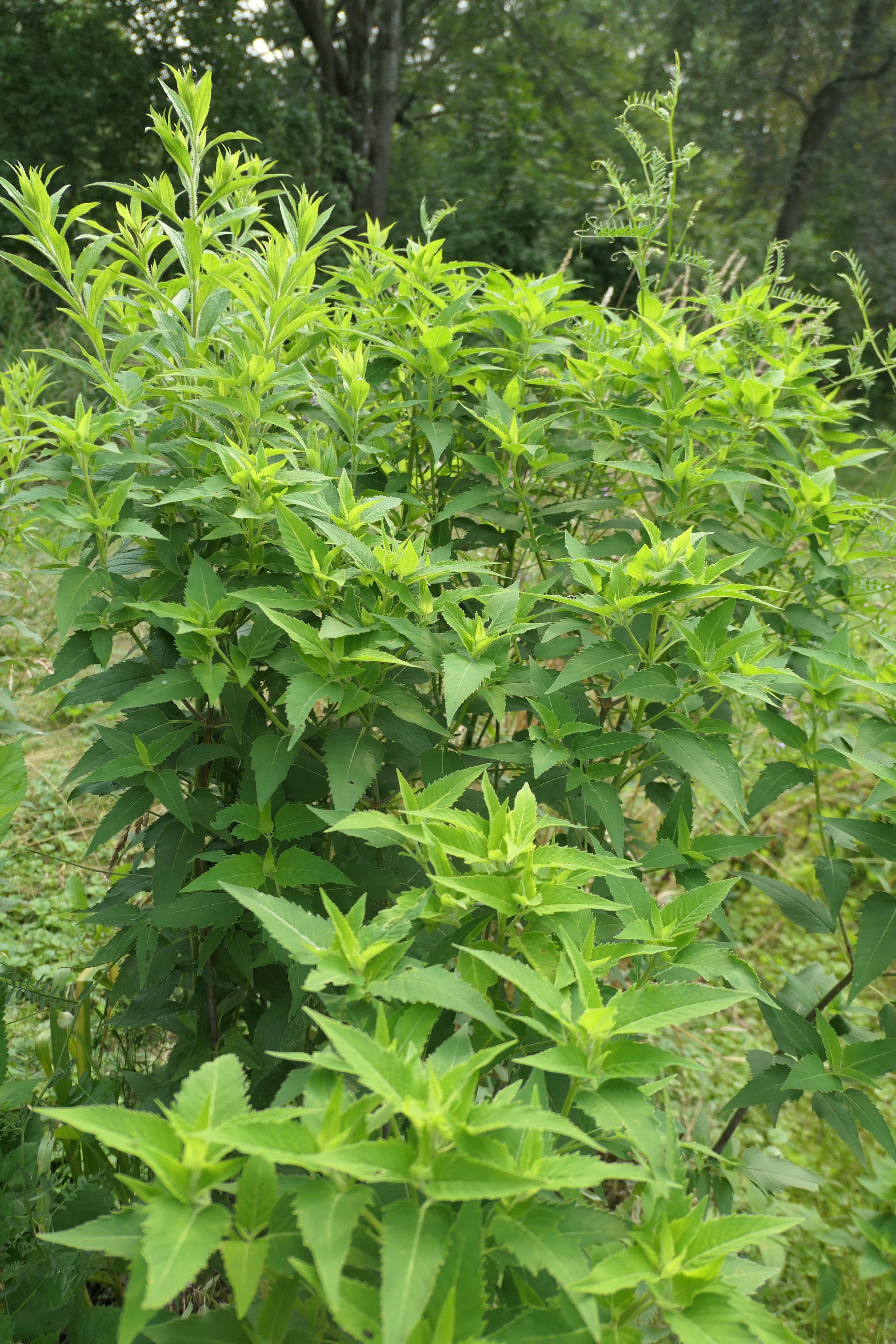
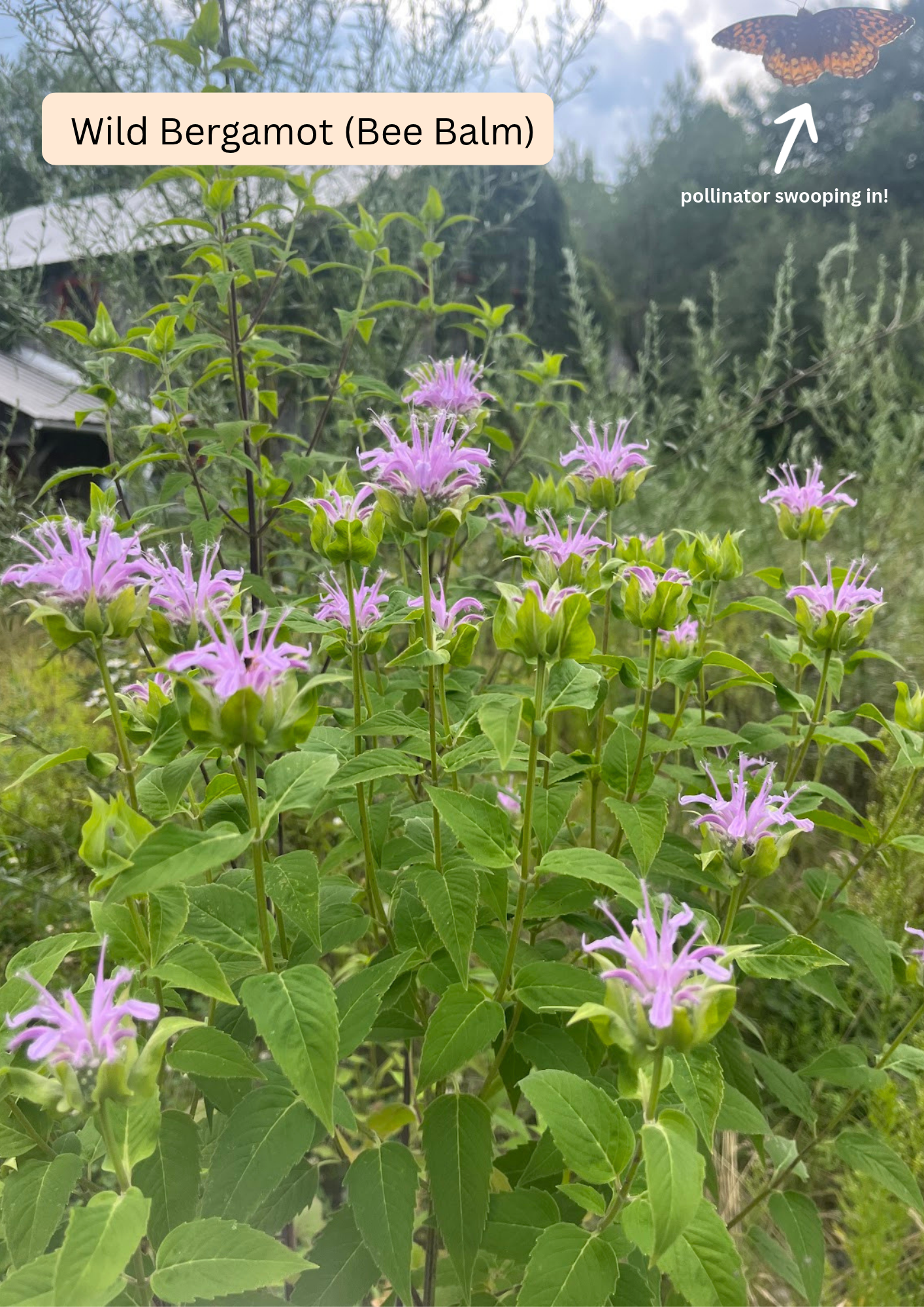
Wild Bergamot (Bee Balm) | Monarda fistulosa
A fragrant native wildflower with soft lavender-purple blooms that attract bees, butterflies, and hummingbirds. Blooms in midsummer and spreads gradually to form beautiful patches.
Full sun to part shade | Average to dry soil | Surface sow; press gently into soil without covering.
Hairy Mountain Mint | Pycnanthemum pilosum
An aromatic native perennial with silvery-green foliage and clusters of tiny white flowers. An absolute magnet for native bees, wasps, and other beneficial insects!
Full sun to part shade | Dry to average soil | Surface sow; press gently into soil without covering.
Purple Coneflower (Echinacea) | Echinacea purpurea
A showy perennial with rosy-purple petals surrounding prominent, spiky seed heads. Its flowers attract bees and butterflies, while the seed heads provide food for birds.
Full sun | Average to well-drained soil | Sow approximately ⅛ inch deep, depending on species.
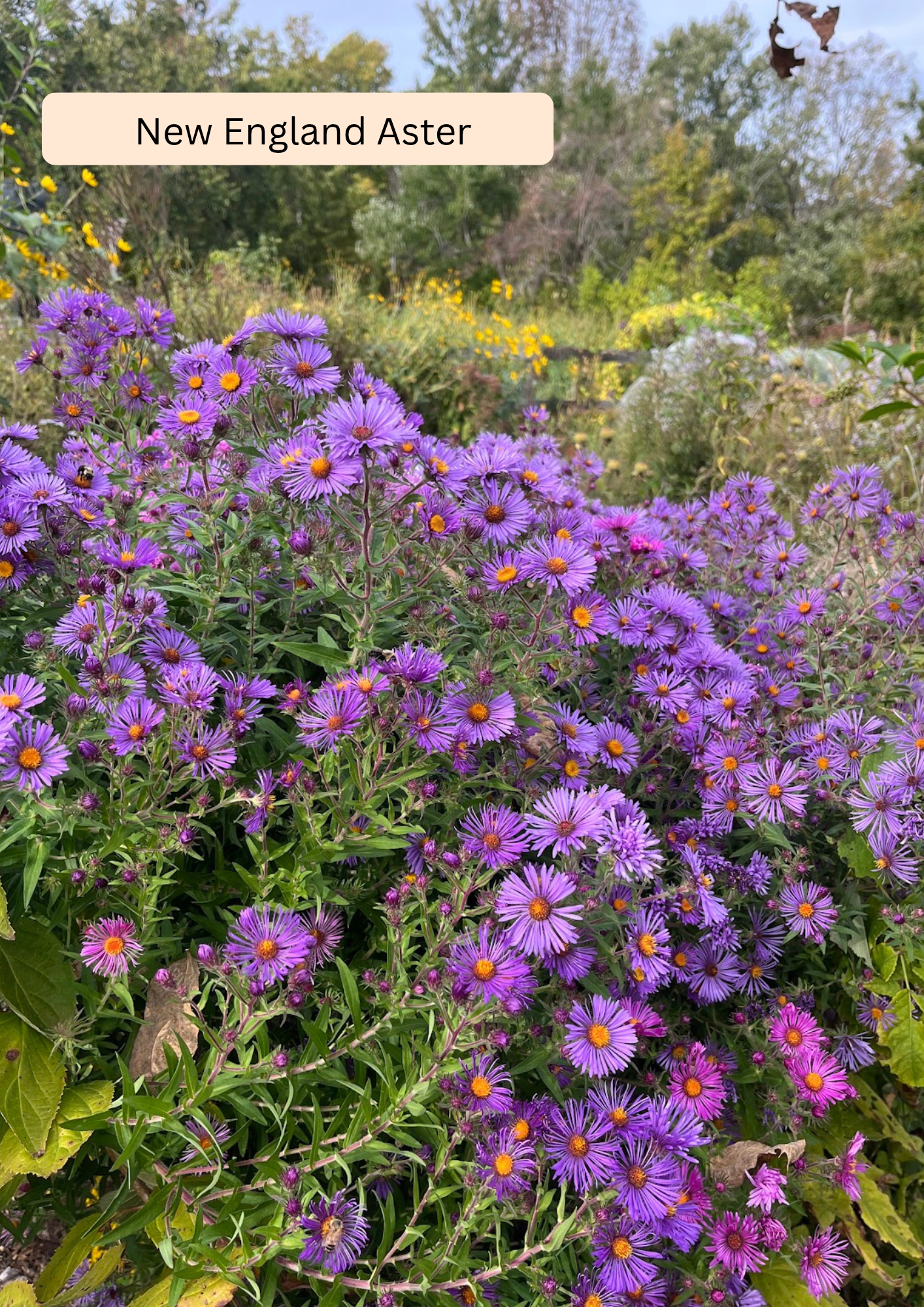
New England Aster | Symphyotrichum novae-angliae
A spectacular late-season wildflower covered in purple, daisy-like blooms with golden centers. Provides important nectar for migrating monarchs and other pollinators when many flowers have finished blooming.
Full sun | Average to moist soil | Surface sow or cover very lightly.
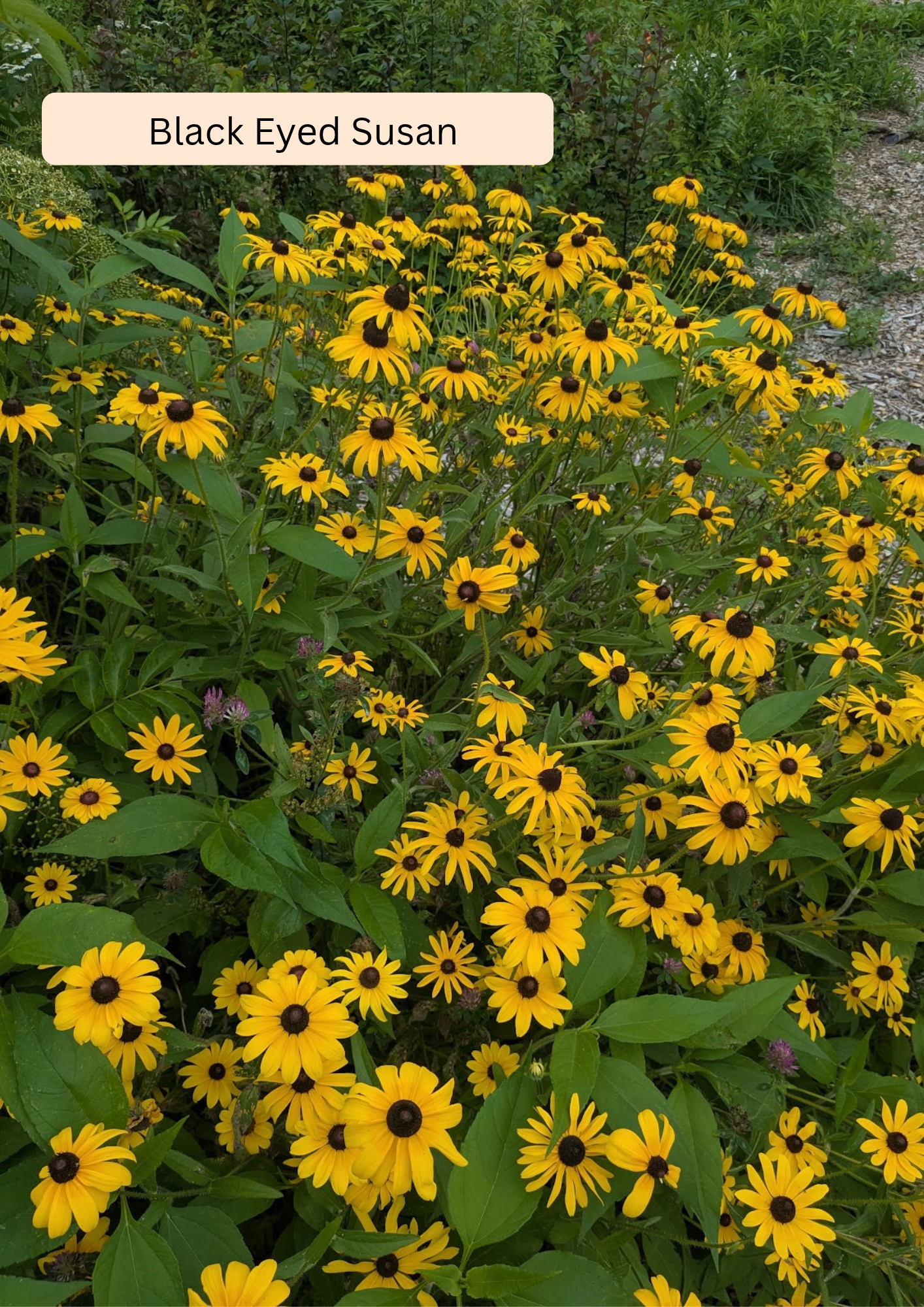
Black-Eyed Susan | Rudbeckia hirta
A cheerful, short-lived perennial or biennial with golden-yellow petals and dark brown centers. Easy to grow and loved by native bees. Often flowers in its first growing season!
Full sun | Dry to average soil | Surface sow or cover very lightly, no more than ⅛ inch deep.


 Image 1 of 7
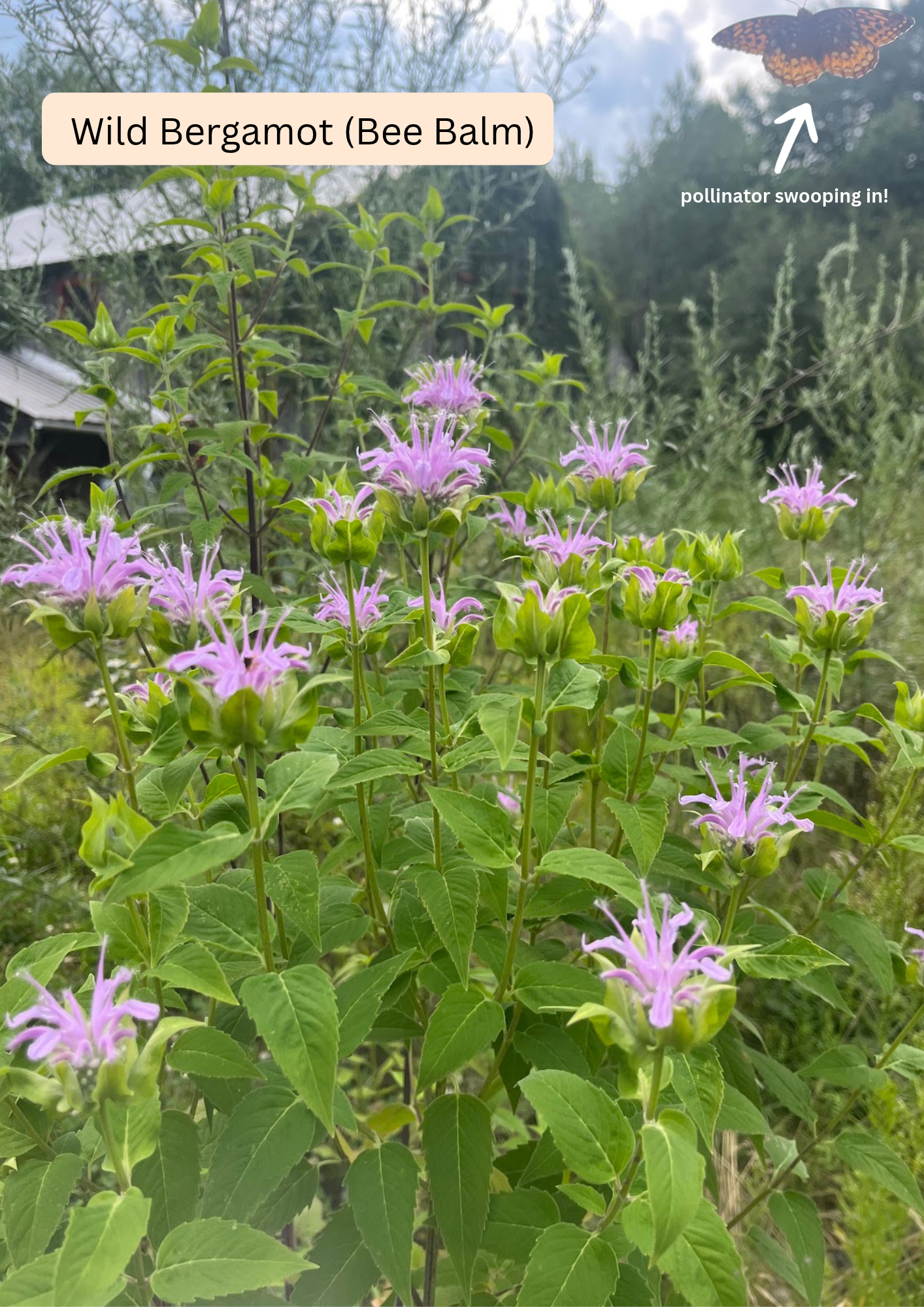 Image 2 of 7
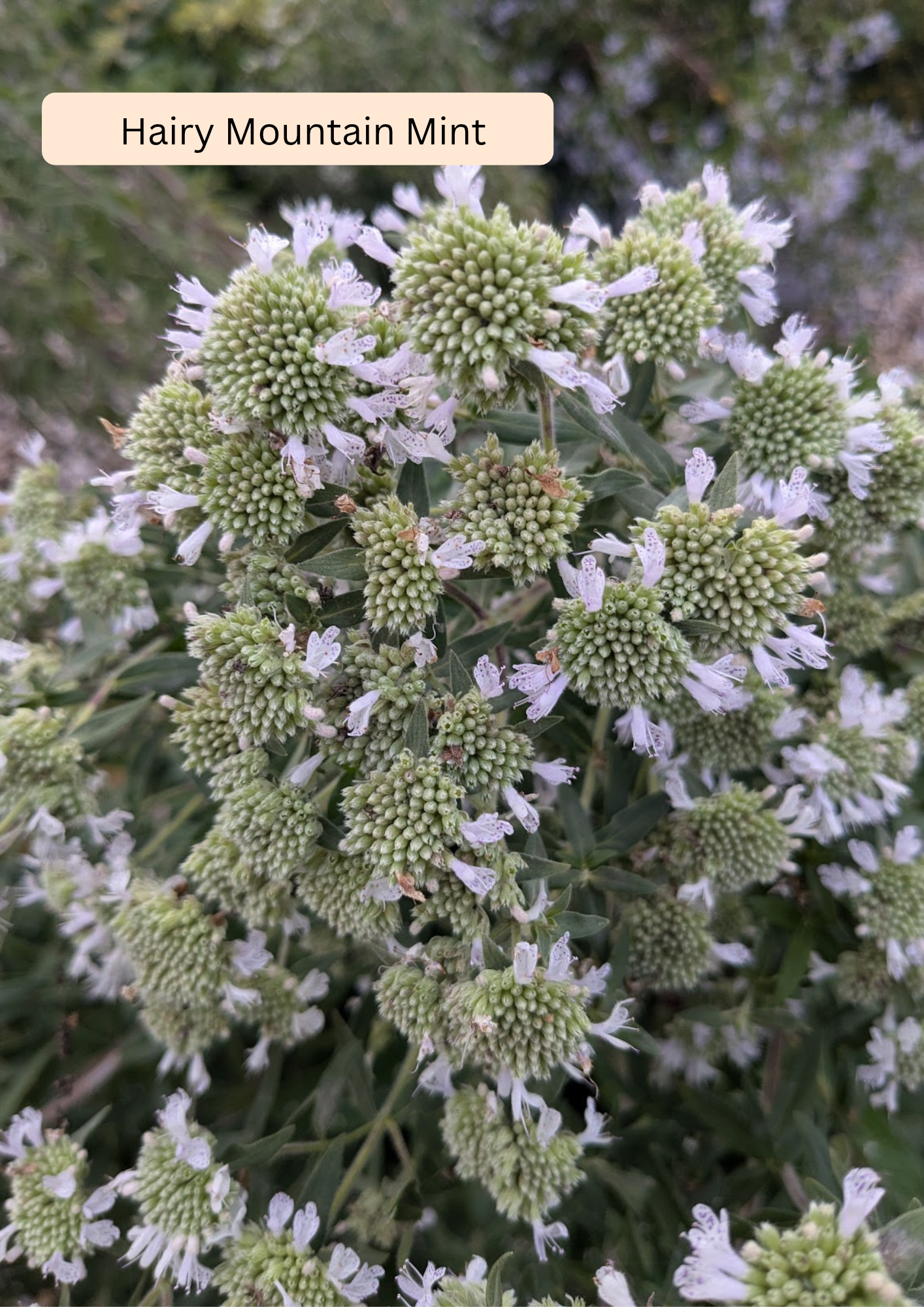 Image 3 of 7
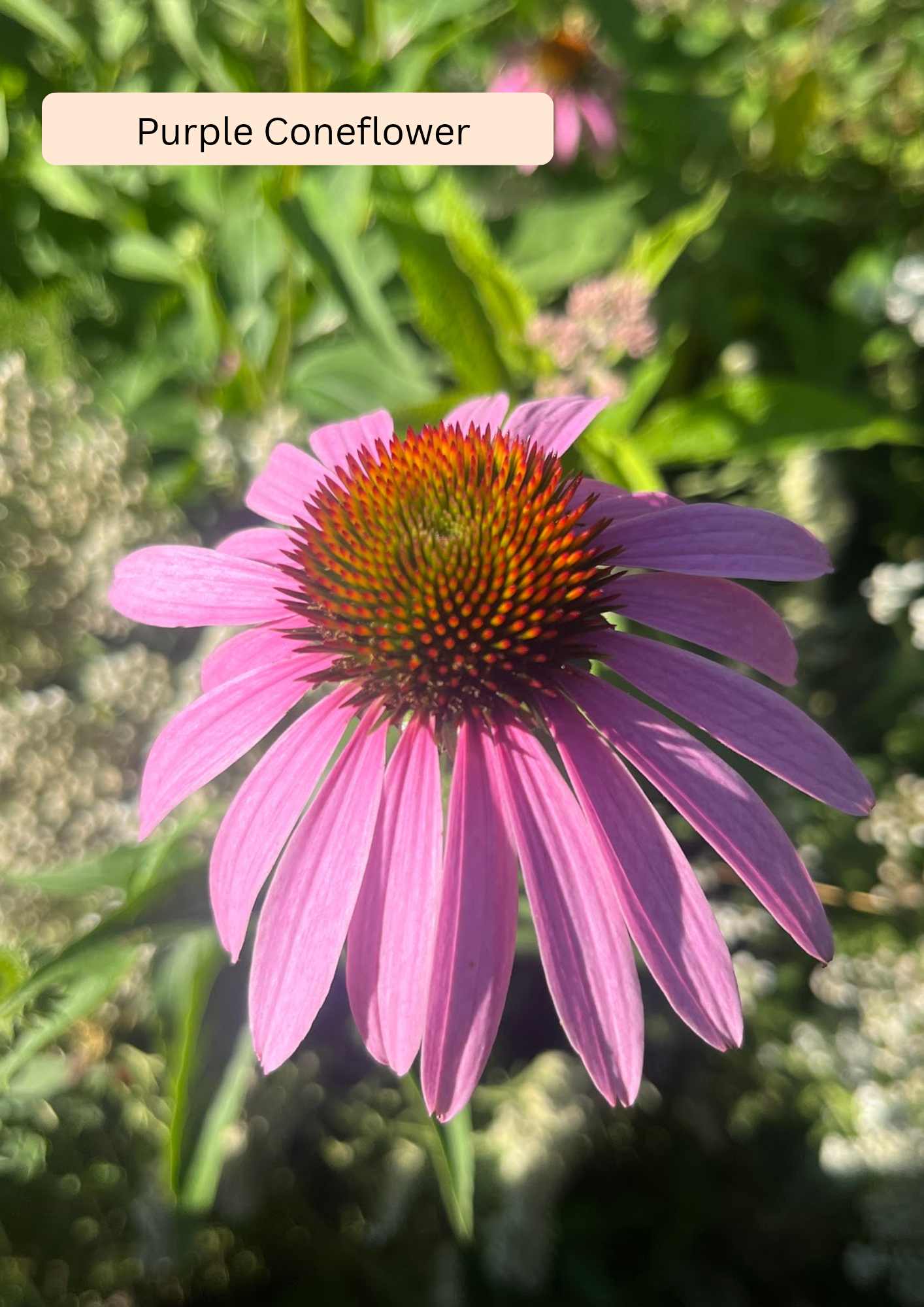 Image 4 of 7
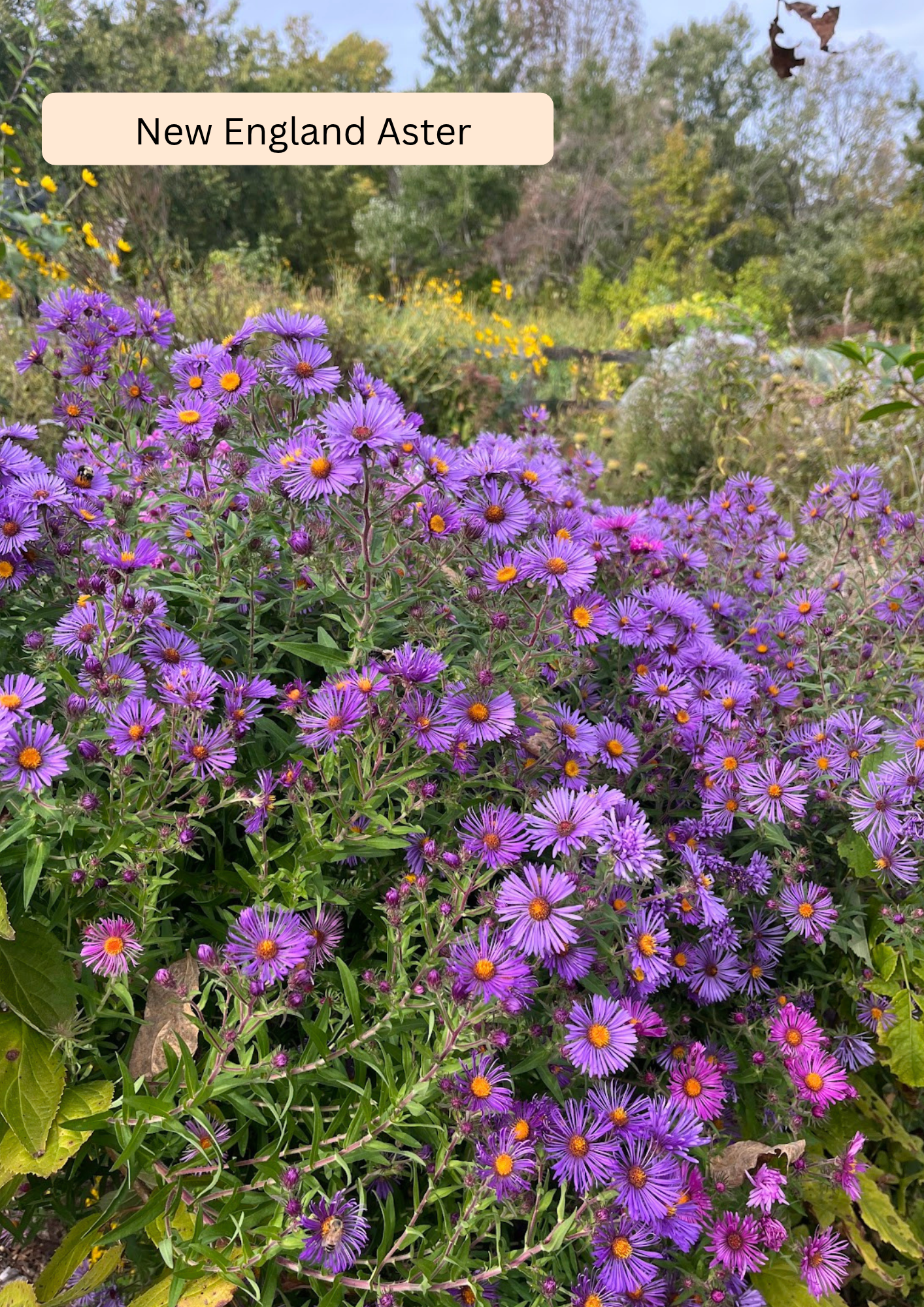 Image 5 of 7
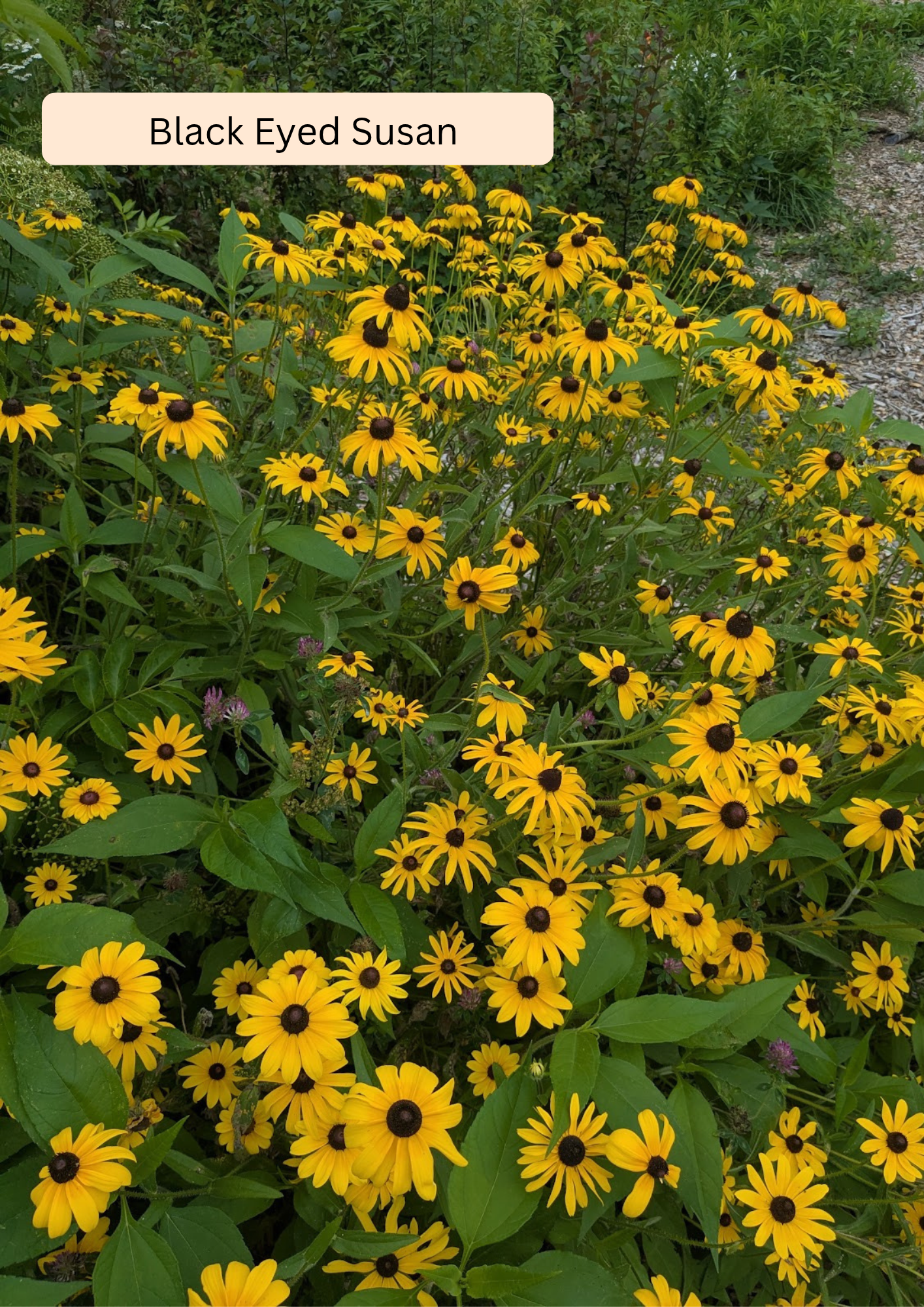 Image 6 of 7
 Image 7 of 7