 Image 1 of 2
 Image 2 of 2
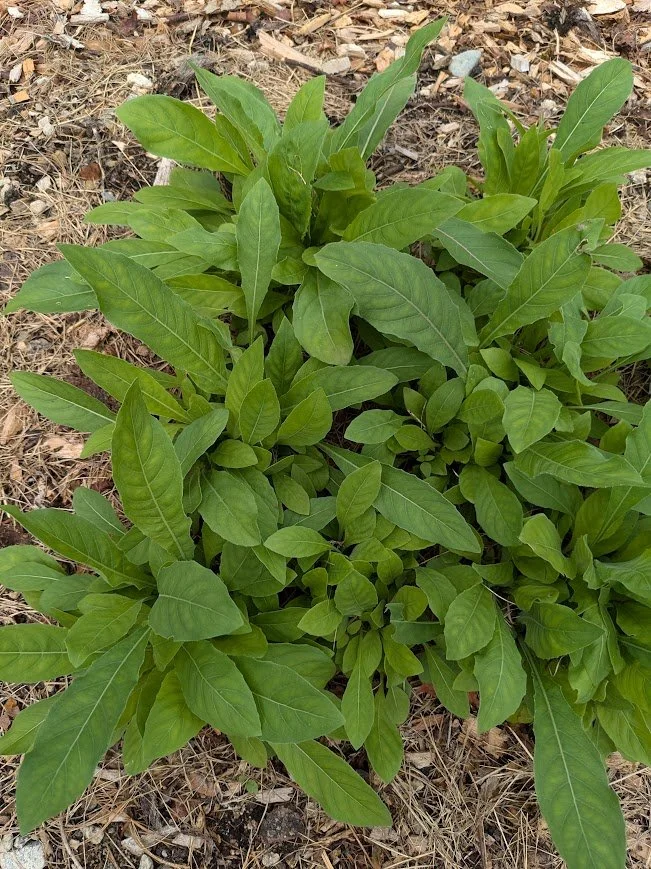
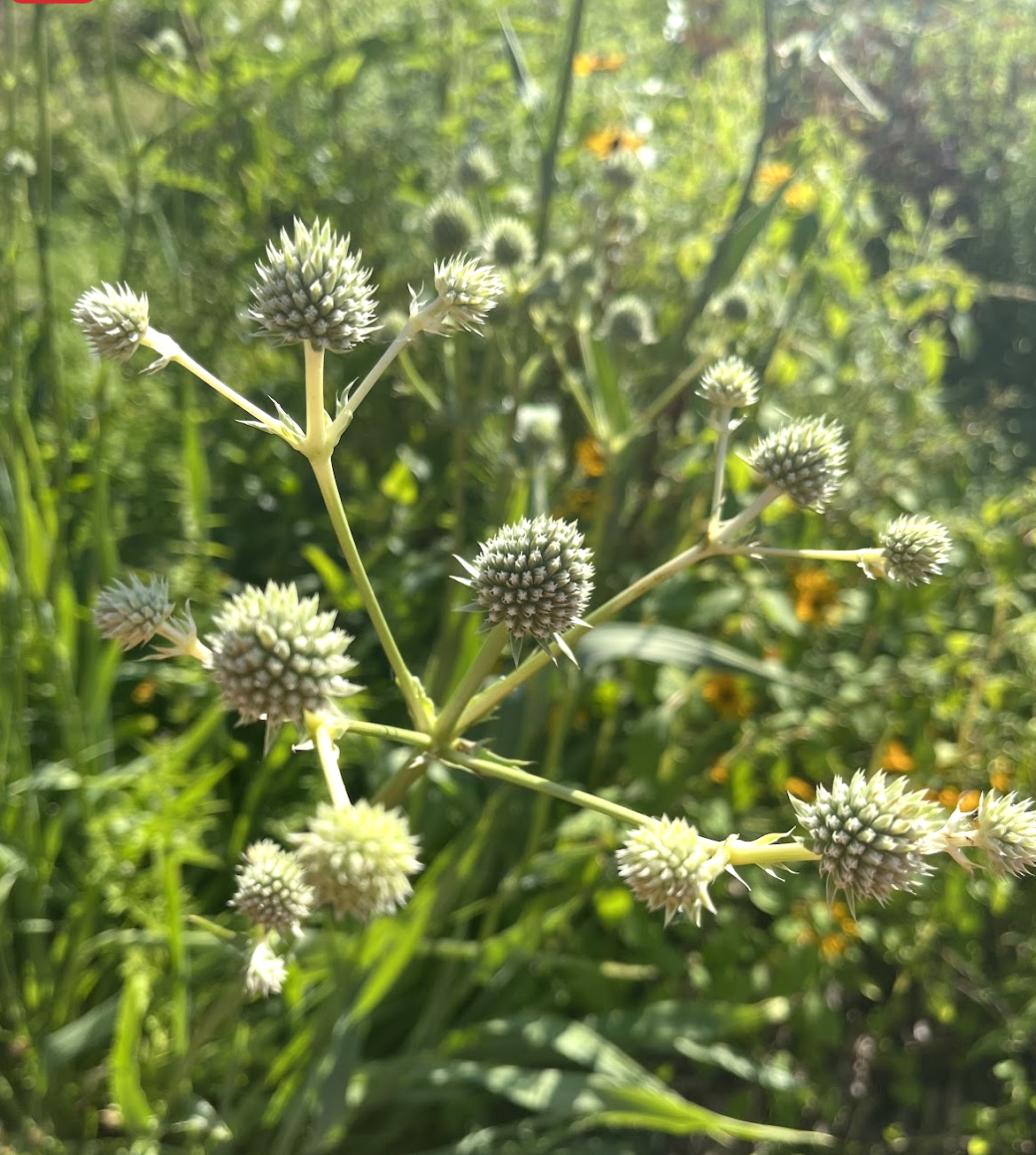
This funky wildflower is native to a few hundred miles southwest of Maine, but we love growing it here on the farm for its unique foliage and seed heads. Native Americans historically used it as a treatment for snakebites, hence the common name. The spiky clustered flowerheads give the appearance of a thistle, but this plant is a member of the Apicaceae family along with garden-variety carrots. The flowers attract many small pollinators and the seeds feed birds in the winter months. Give this plant some space and it will quickly become the star of a prairie garden.
Light: Full sun
Soil Moisture: Dry to medium
Soil: Well-drained sandy, loamy, or rocky soils
Height: 3–5 feet
Spread: 1–2 feet
Bloom Time: July–September
Flower Color: Greenish white
Hardiness Zones: 3–8
Growth Habit: Upright, clump-forming perennial with a deep taproot
Native Range: Central and eastern United States; not native to Maine