 Image 1 of 3
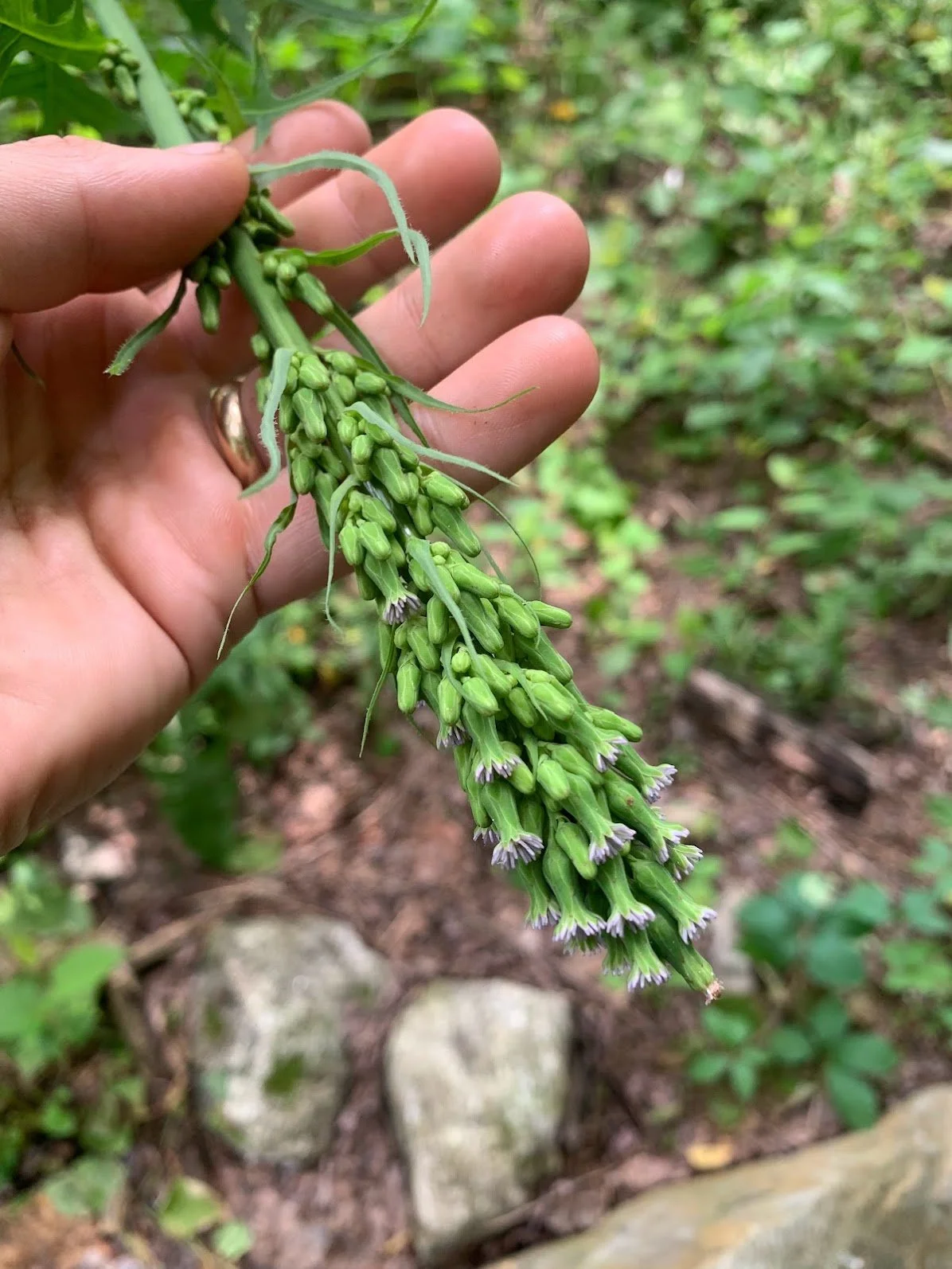 Image 2 of 3
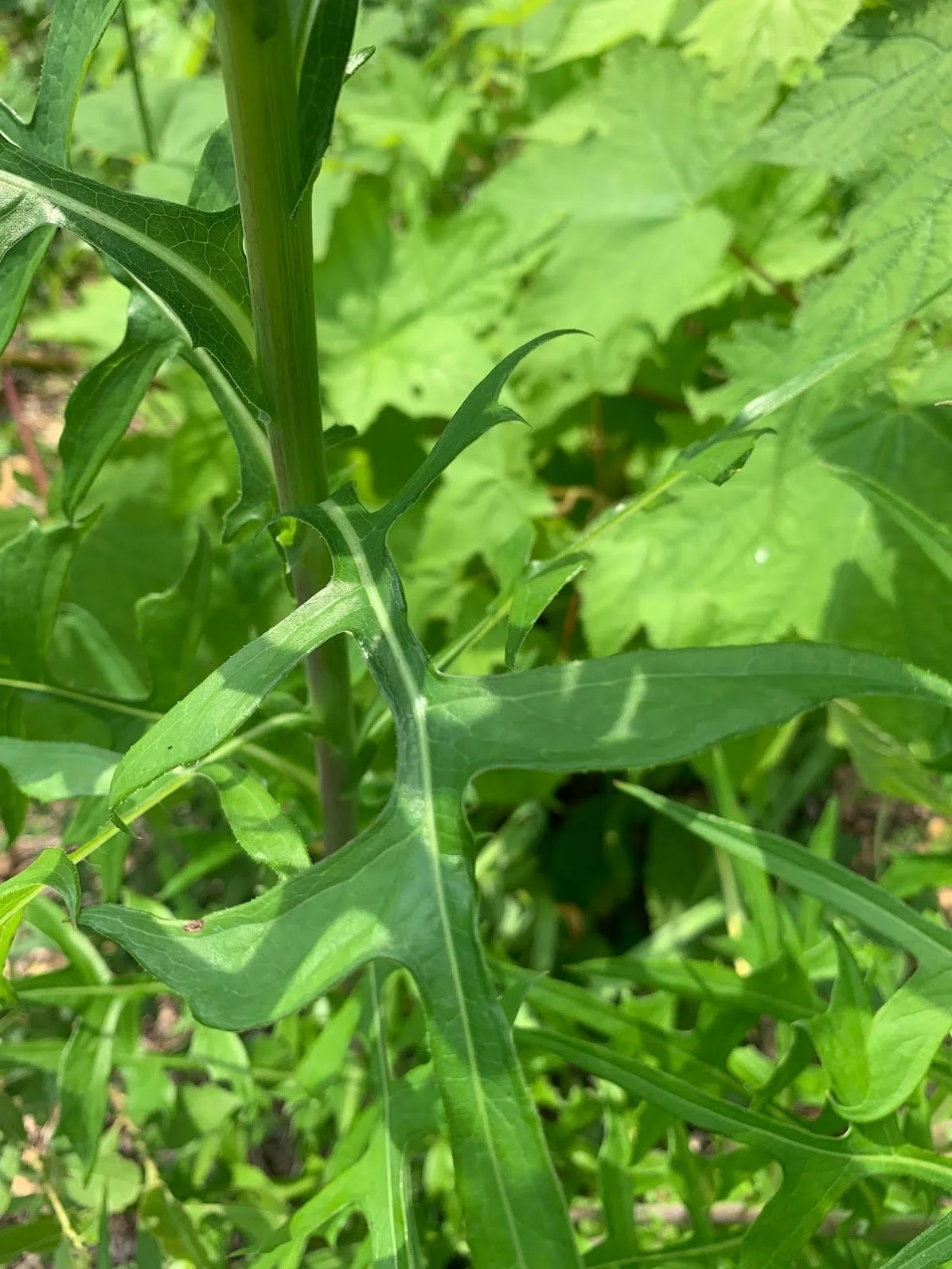 Image 3 of 3
Lactuca biennis
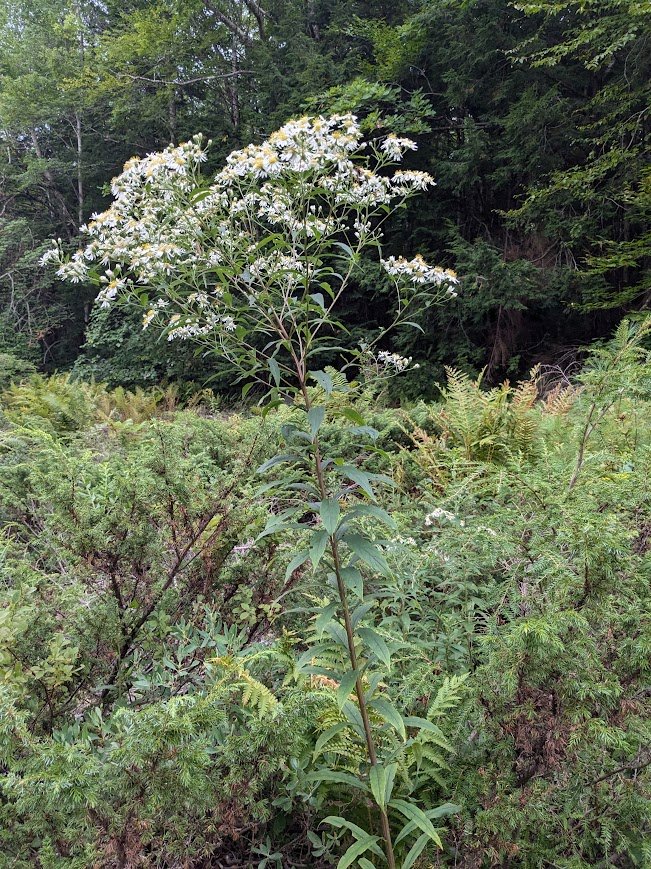
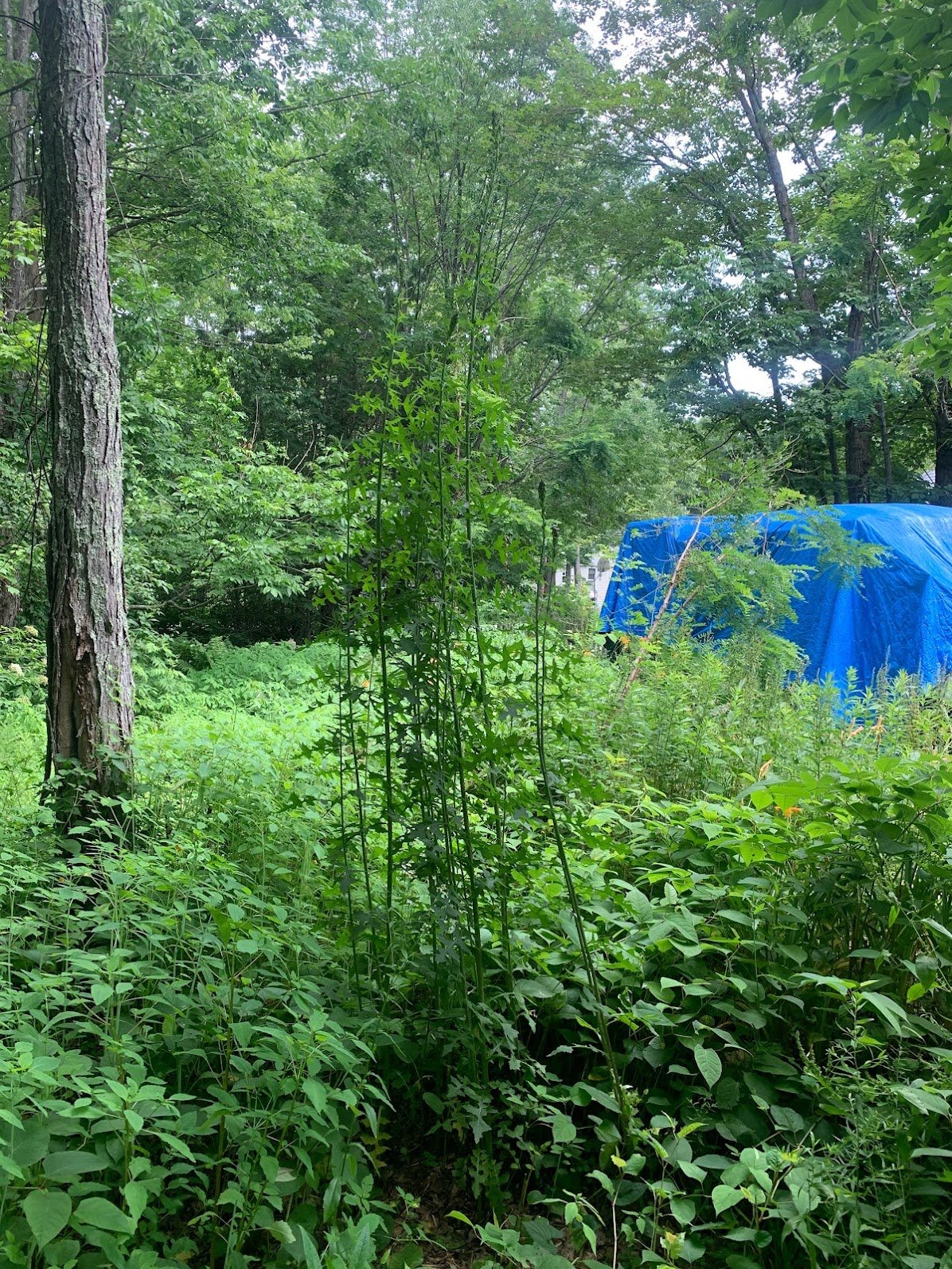
This plant sure does live up to its common name. First of all, it’s in the lettuce (Lactuca) family, but unlike its cultivated cousins, these leaves are extremely unpalatable. Second, the entire plant is various shades of blue. Finally, this plant is tall. We’ve seen it growing on its singular stem up to 15 ft, pretty incredible.
Indeed, this native biennial has a lot to offer the gardener, herbalist, or forest farmer. It is incredibly shade-tolerant, often growing in moist woodlands and wetlands. The plant also contains the chemical Lactucin, which we tincture for homemade pain relief. As always, please seek professional medical guidance for any plant medicines. Interestingly, in the winter, the tall stems serve as shelter for overwintering bees.
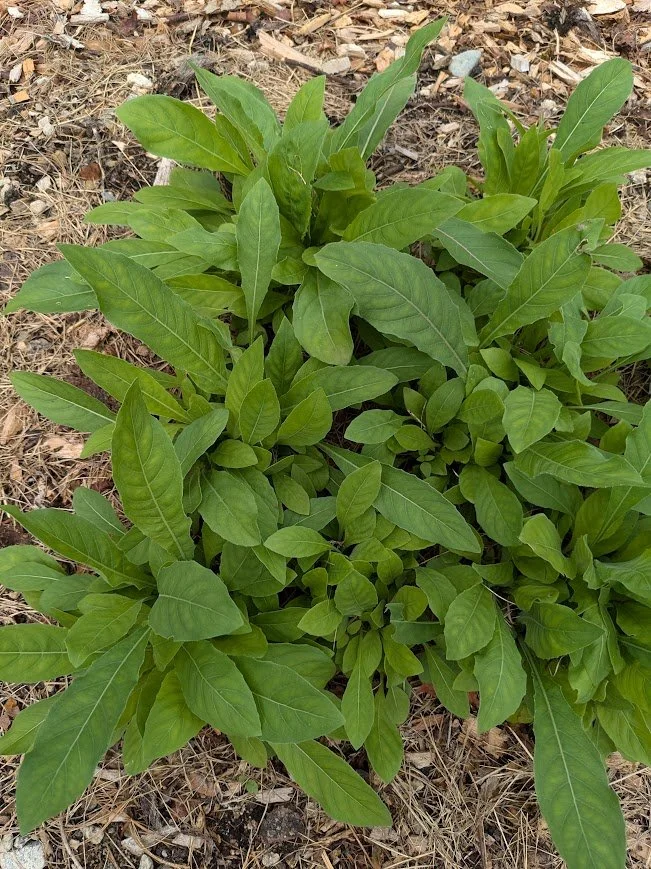
This plant is a biennial, meaning that in its first year of growth it will appear as a small basal rosette of leaves, similar to a blue-tinged dandelion. In its second year, it explodes with growth before flowering, setting seed and dying back to make room for the next generation. This truly unique plant will be sure to catch eyes, prompt questions, and maybe even ease some pain.
Hardiness: Zone 3-8
Soil: Average to moist
Light: Part sun to mostly shade
Lactuca biennis
This plant sure does live up to its common name. First of all, it’s in the lettuce (Lactuca) family, but unlike its cultivated cousins, these leaves are extremely unpalatable. Second, the entire plant is various shades of blue. Finally, this plant is tall. We’ve seen it growing on its singular stem up to 15 ft, pretty incredible.
Indeed, this native biennial has a lot to offer the gardener, herbalist, or forest farmer. It is incredibly shade-tolerant, often growing in moist woodlands and wetlands. The plant also contains the chemical Lactucin, which we tincture for homemade pain relief. As always, please seek professional medical guidance for any plant medicines. Interestingly, in the winter, the tall stems serve as shelter for overwintering bees.
This plant is a biennial, meaning that in its first year of growth it will appear as a small basal rosette of leaves, similar to a blue-tinged dandelion. In its second year, it explodes with growth before flowering, setting seed and dying back to make room for the next generation. This truly unique plant will be sure to catch eyes, prompt questions, and maybe even ease some pain.
Hardiness: Zone 3-8
Soil: Average to moist
Light: Part sun to mostly shade