 Image 1 of 3
 Image 2 of 3
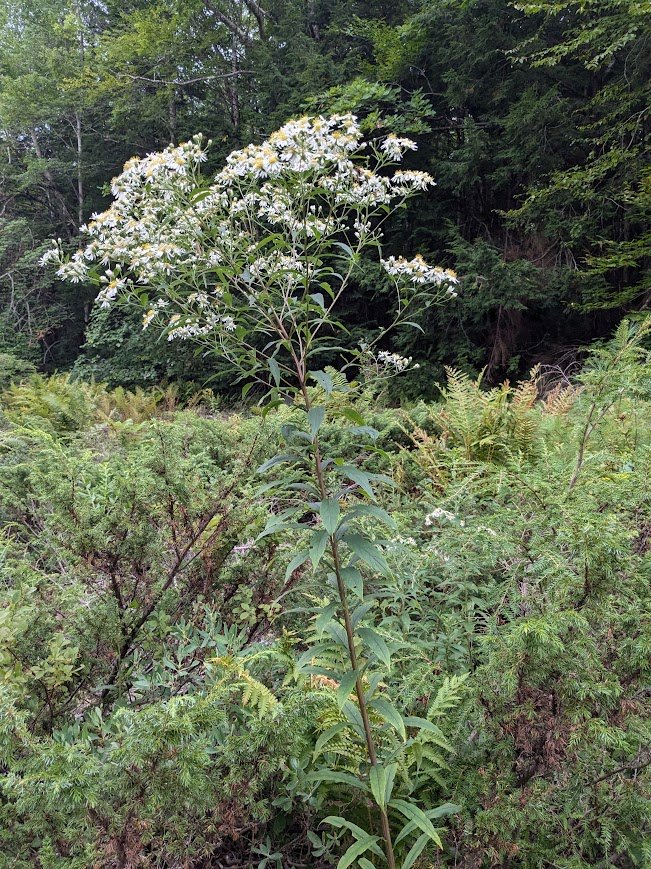 Image 3 of 3
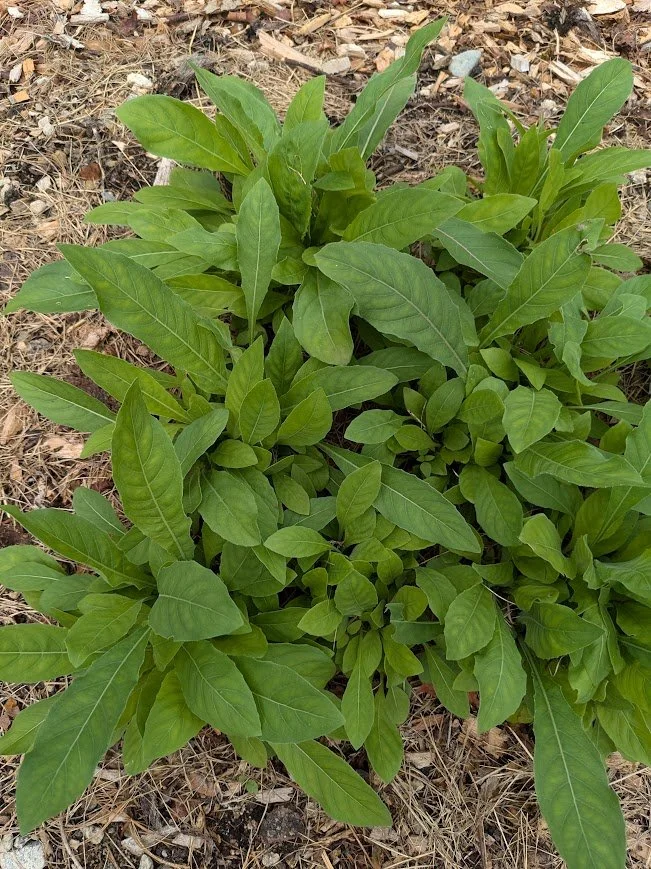
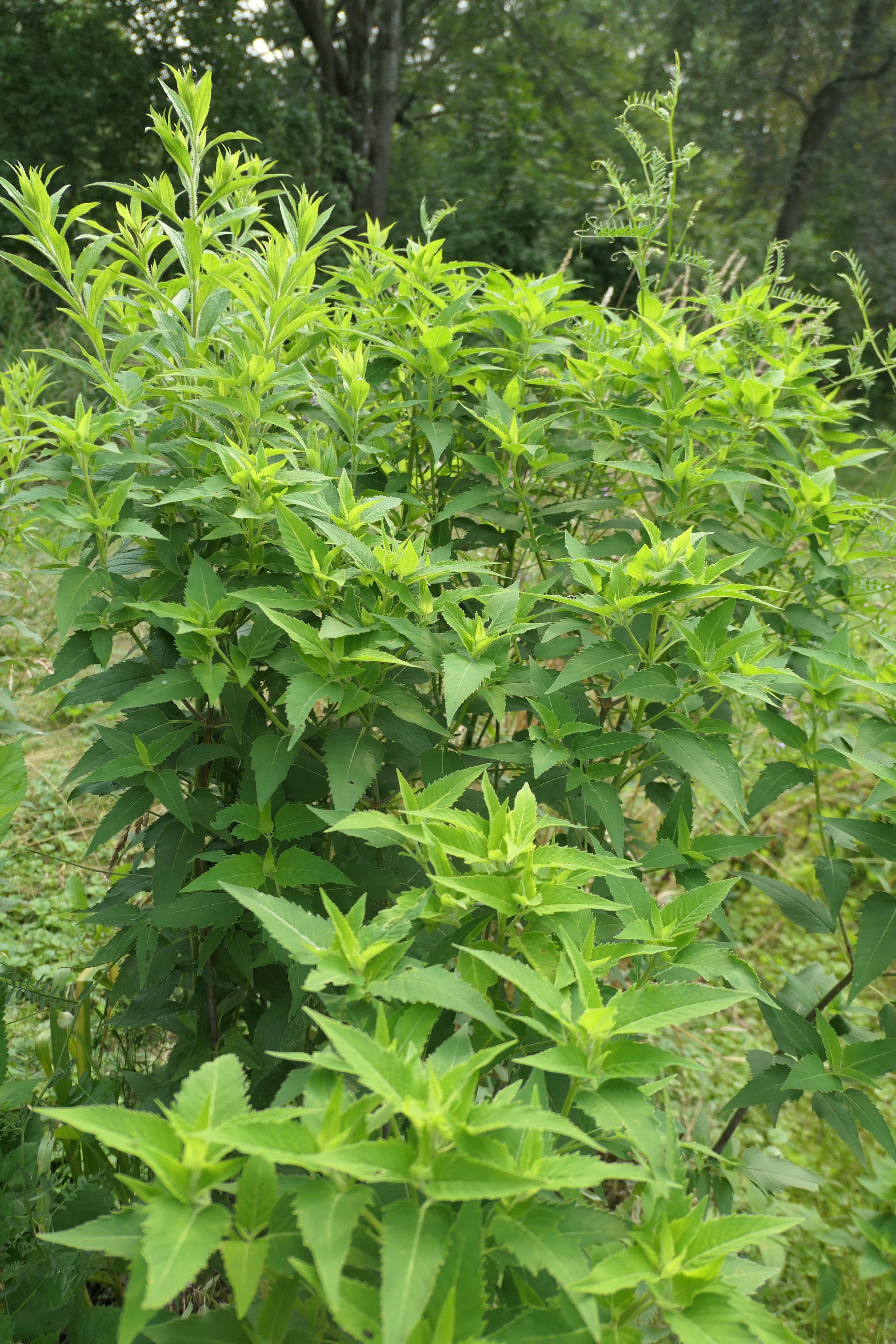
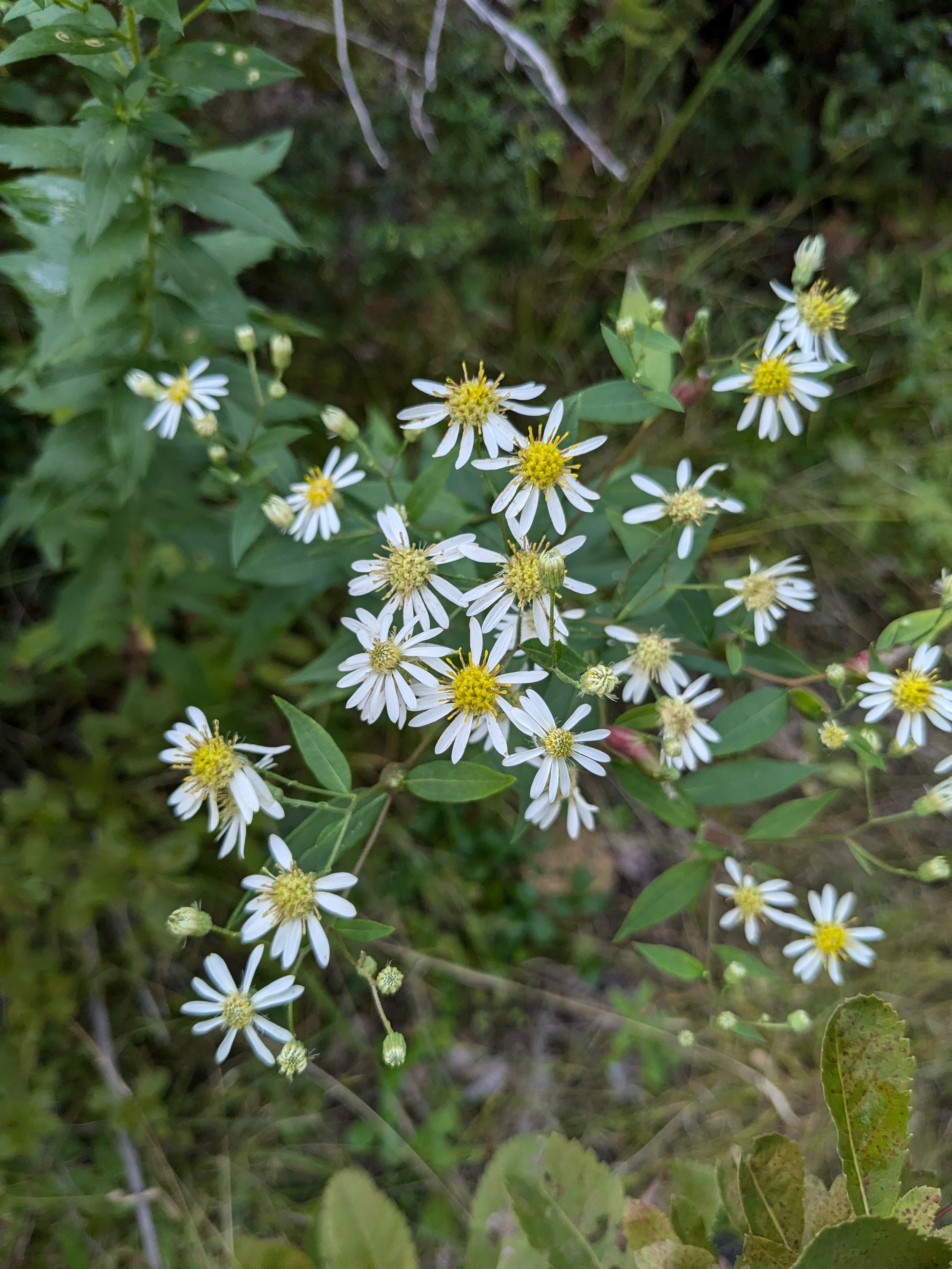
Flat-Topped White Aster (Doellingeria umbellata), also known as Tall White Aster, is a hardy Maine native perennial with broad, flat-topped clusters of small white flowers with golden-yellow centers. Blooming from midsummer into early fall, this striking wildflower adds height, texture, and abundant flowers to native meadows, wetland edges, and pollinator gardens.
Naturally found in moist meadows, woodland openings, and along streams and wetlands, Flat-Topped White Aster thrives in full sun to partial shade and prefers consistently moist soils. It spreads through underground rhizomes and can form attractive colonies over time, making it especially useful for naturalized plantings and habitat restoration.
Seeds require cold stratification to germinate—read this quick article to learn how to accomplish this.
Light: Full sun to partial shade
Soil Moisture: Medium to wet
Soil: Moist loamy or sandy soils; tolerates occasional flooding
Height: 3–7 feet
Spread: 3–4 feet
Bloom Time: July–September
Flower Color: White with yellow centers
Hardiness Zones: 3–9
Growth Habit: Upright, rhizomatous perennial
Native Range: Eastern North America, including Maine
Options:
Packet of approximately 50 seeds.
Bare Root Plants: Plant into loose soil in the fall or spring and keep moist until new growth emerges.