 Image 1 of 4
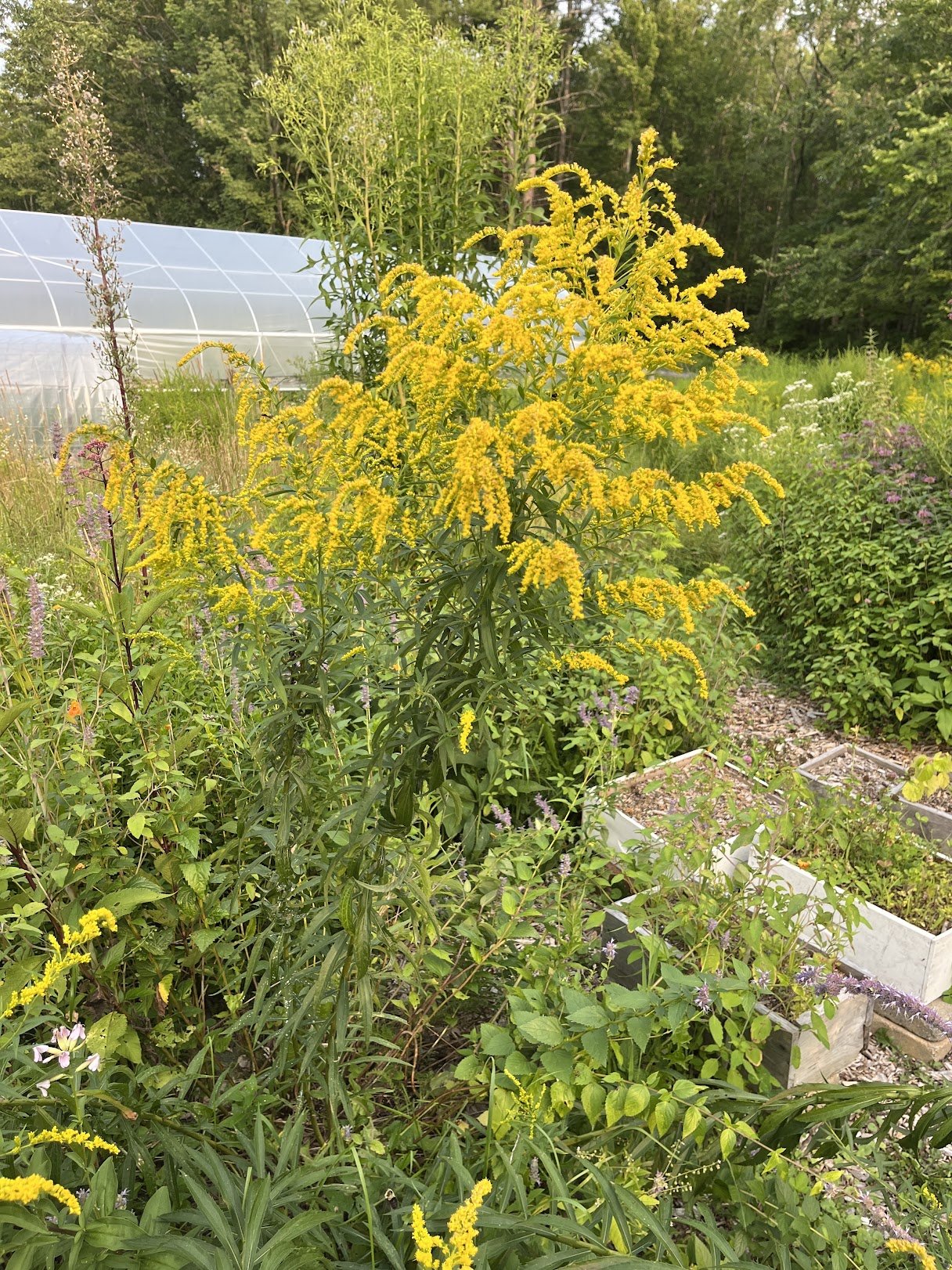 Image 2 of 4
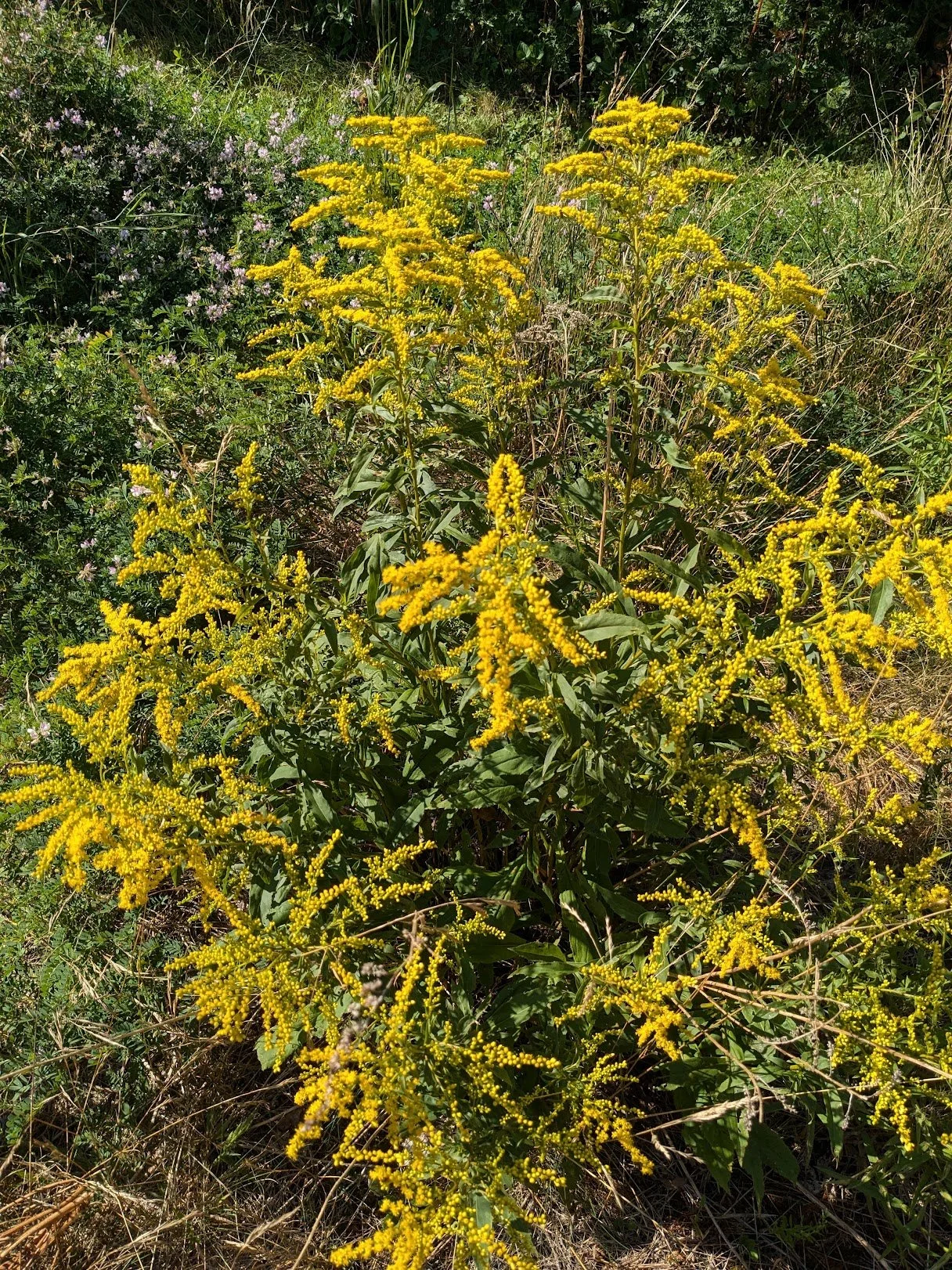 Image 3 of 4
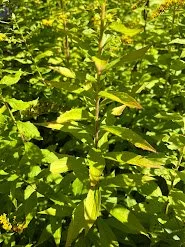 Image 4 of 4
Solidago rugosa
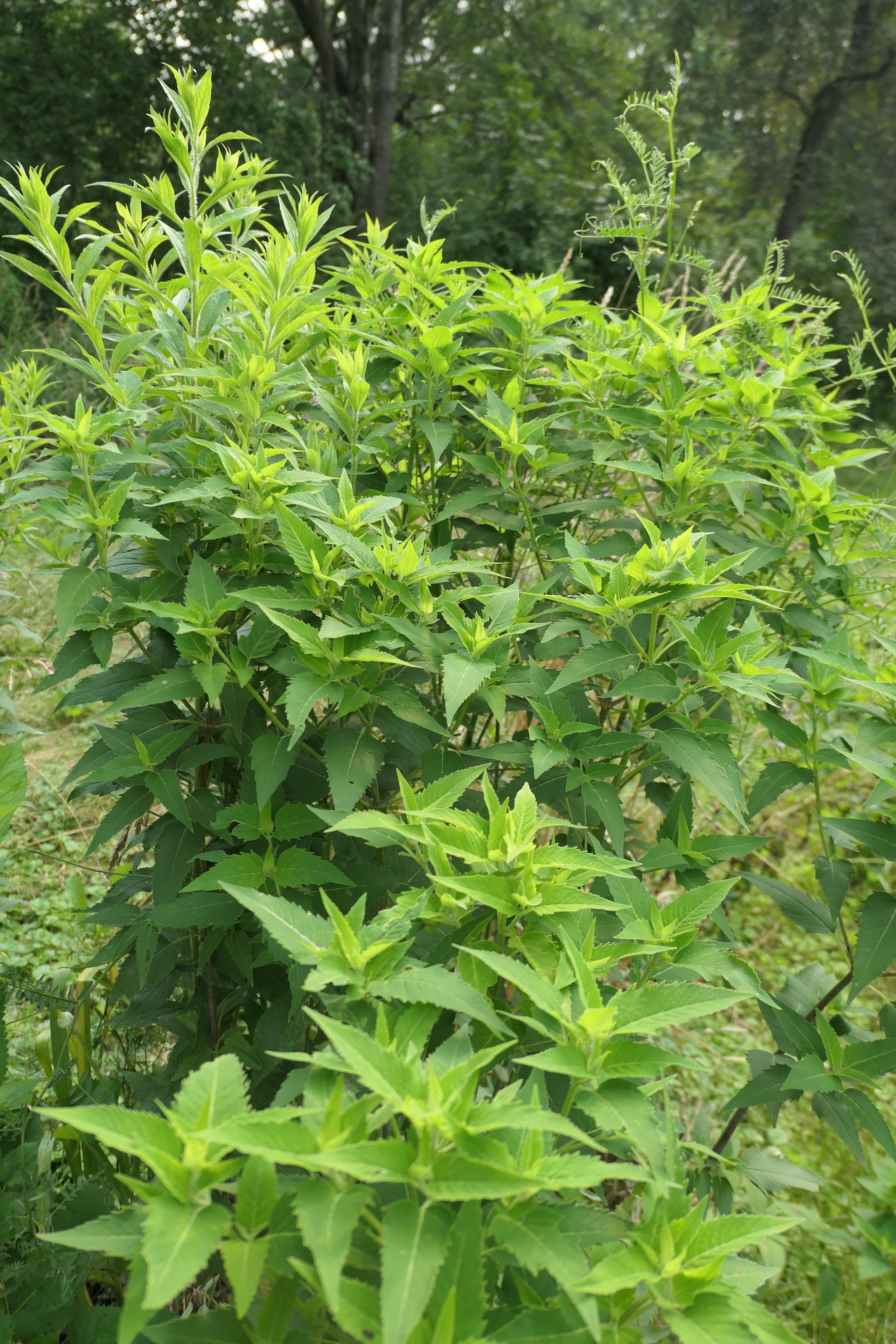
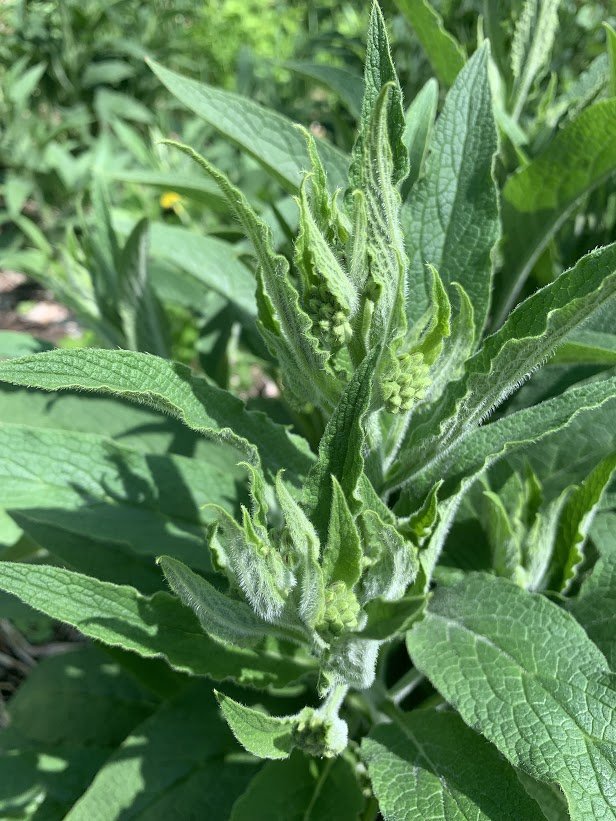
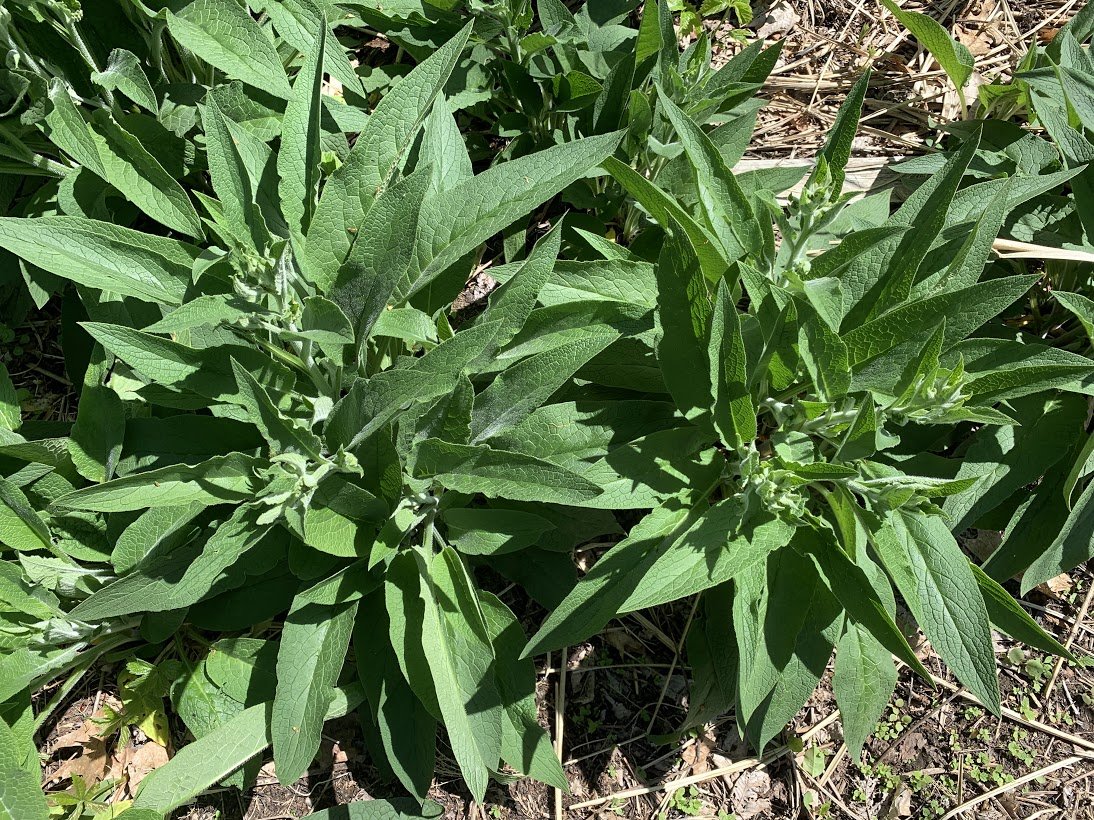
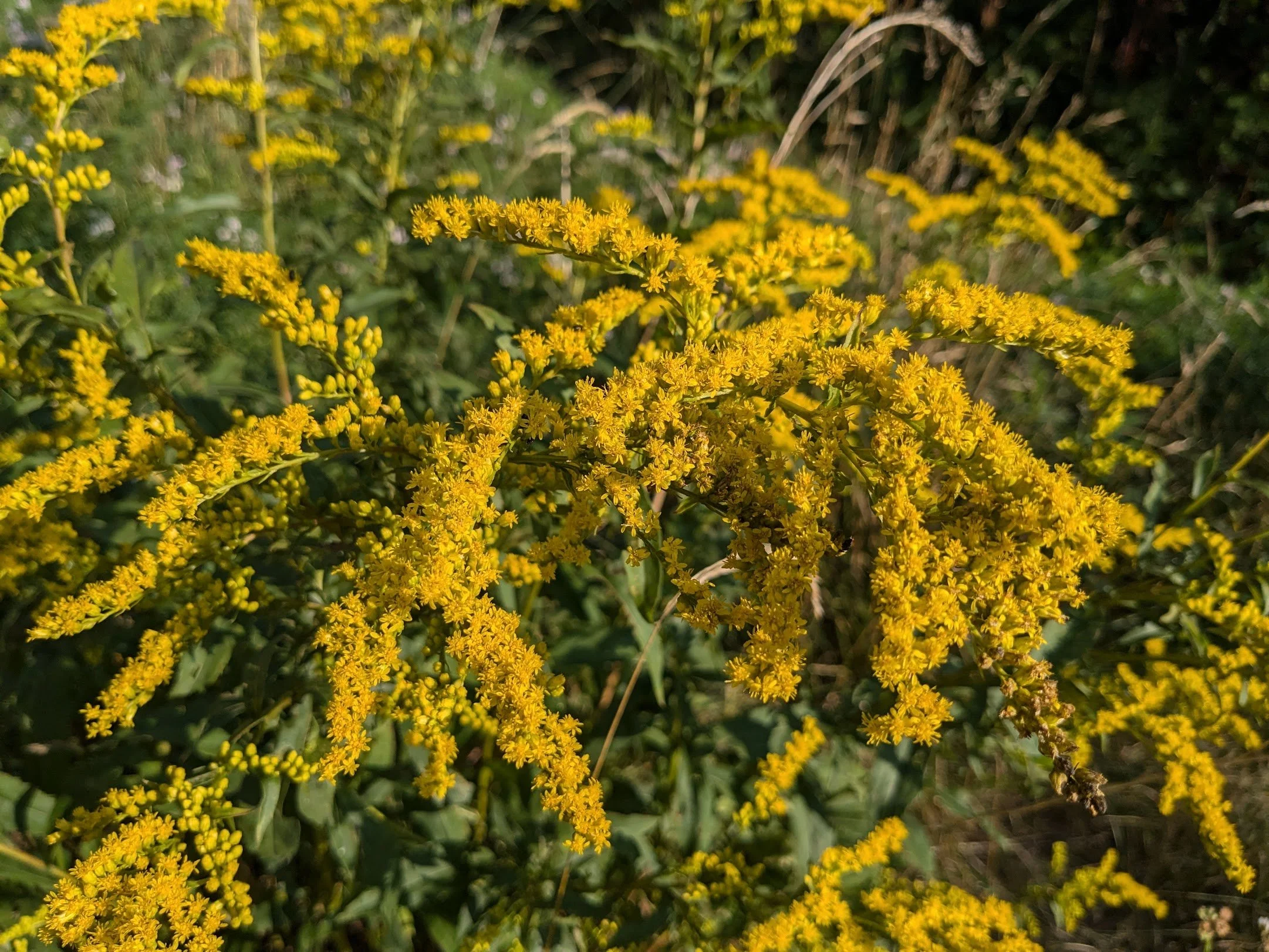
Wrinkleleaf Goldenrod is a hardy native perennial that produces sprays of bright yellow flowers from late summer into fall. Named for its distinctively textured, or “wrinkled,” leaves, this goldenrod is an excellent choice for naturalistic gardens, pollinator plantings, and areas where a tough, adaptable native is needed. Has very nice purple hues along it’s stem and leaves as well.
Growing approximately 3–5 ft tall, Wrinkleleaf Goldenrod spreads gradually by underground rhizomes, forming colonies over time. It grows especially well in moist soils but is adaptable to average garden conditions once established. It can tolerate part shade better than many other goldenrods, making it particularly useful along woodland edges and in areas with dappled sunlight.
The late-season flowers provide an important source of nectar and pollen for native bees, butterflies, and other beneficial insects at a time when many other plants have finished blooming. Its seeds also provide food for birds later in the season. Despite the common misconception that goldenrods cause seasonal allergies, their pollen is heavy and insect-carried rather than readily airborne.
Hardiness: Zone 3–8
Soil: Average to moist
Light: Full sun to part shade
Height: 3–5 ft
Bloom Time: Late summer to fall
Options:
Each packet contains approximately 100 seeds.
Bare Root Plants can be planted into loose soil in the fall or spring and kept moist until new growth emerges.
Solidago rugosa
Wrinkleleaf Goldenrod is a hardy native perennial that produces sprays of bright yellow flowers from late summer into fall. Named for its distinctively textured, or “wrinkled,” leaves, this goldenrod is an excellent choice for naturalistic gardens, pollinator plantings, and areas where a tough, adaptable native is needed. Has very nice purple hues along it’s stem and leaves as well.
Growing approximately 3–5 ft tall, Wrinkleleaf Goldenrod spreads gradually by underground rhizomes, forming colonies over time. It grows especially well in moist soils but is adaptable to average garden conditions once established. It can tolerate part shade better than many other goldenrods, making it particularly useful along woodland edges and in areas with dappled sunlight.
The late-season flowers provide an important source of nectar and pollen for native bees, butterflies, and other beneficial insects at a time when many other plants have finished blooming. Its seeds also provide food for birds later in the season. Despite the common misconception that goldenrods cause seasonal allergies, their pollen is heavy and insect-carried rather than readily airborne.
Hardiness: Zone 3–8
Soil: Average to moist
Light: Full sun to part shade
Height: 3–5 ft
Bloom Time: Late summer to fall
Options:
Each packet contains approximately 100 seeds.
Bare Root Plants can be planted into loose soil in the fall or spring and kept moist until new growth emerges.